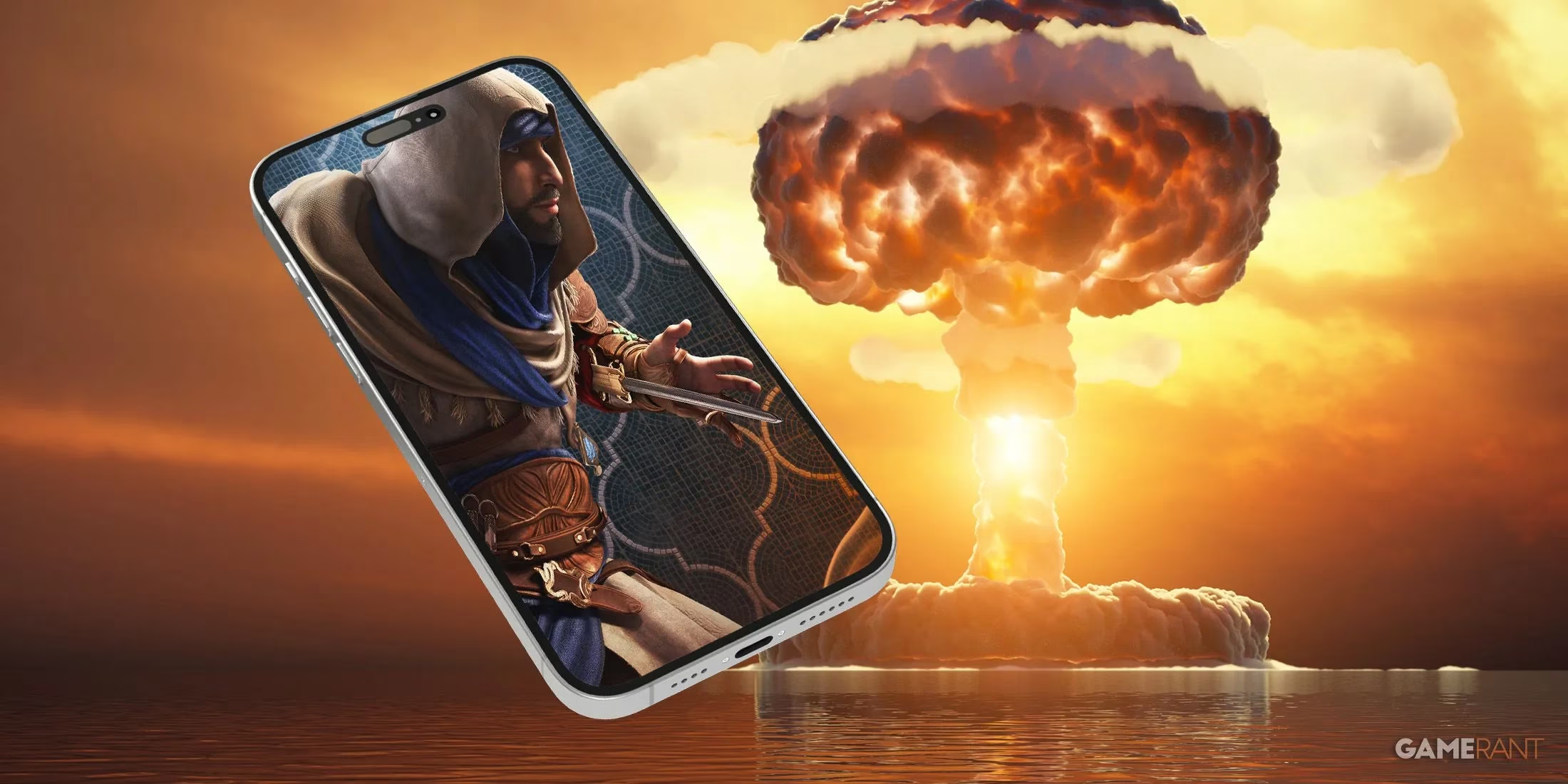
In the ever-evolving landscape of gaming, a new frontier has emerged, and it's facing some unexpected turbulence. Recent reports paint a sobering picture for high-profile console and PC games making the leap to Apple's iPhone. Titles like Death Stranding, the Resident Evil 4 Remake, Resident Evil Village, and Assassin's Creed: Mirage have reportedly "bombed" on the platform, with sales figures that are, frankly, a bit of a head-scratcher. It seems that despite the iPhone's undeniable power and the growing ecosystem of dedicated controllers, the core audience for these blockbuster experiences isn't quite ready to swap their living room setups for a mobile screen.
The Numbers Tell the Story
The data, as uncovered by industry trackers, reveals a stark disconnect. Let's break down the estimated sales figures for these premium ports:
| Game Title | Estimated iPhone Downloads/Purchases |
|---|---|
| Assassin's Creed: Mirage | ~3,000 |
| Resident Evil 4 Remake | ~7,000 |
| Resident Evil Village | ~5,750 |
| Death Stranding | ~10,000 |
When you stack these numbers against the millions of copies sold on PlayStation, Xbox, and PC, it's clear we're talking about a drop in the ocean. It's not that the games are bad—far from it. The issue appears to be the platform itself. Gamers willing to drop $15 to $50 on a single title are, more often than not, looking for the full cinematic experience: big screens, immersive sound, and precise controls. On a phone, even a powerful one, something just feels... off. The magic isn't quite translating.
A Tale of Two Mobile Markets
Here's where it gets interesting. While these AAA ports are struggling, the mobile market itself is absolutely booming—just in a different way. The real kings of the hill are free-to-play games and beloved indie titles. 😲
-
Free-to-Play Dominance: Look at Assassin's Creed: Rebellion, a mobile-exclusive strategy RPG. In the same period where Mirage floundered, Rebellion raked in over $900,000. That's not a typo. The free-to-play model, with its optional purchases, seems to be the golden ticket for big studios on mobile.
-
Indie Success Stories: Games like Among Us and Stardew Valley have found massive, enduring audiences on phones. Their pick-up-and-play design and lower price points (or one-time purchases) fit the mobile lifestyle perfectly.
-
Hybrid Hits: Titles like Pokémon GO and Marvel Snap blend AAA IP with mobile-first design, proving you can have quality and success without a direct port.
The message is clear: mobile gamers have their own rhythms and preferences. They love deep engagement, but often in shorter bursts and with a different monetization expectation. Trying to sell them a console game at a console price for a device they use for social media and quick matches is, well, a tough sell.
What's Holding AAA Back on iPhone?
So why the cold shoulder? A few factors are likely at play:
-
The "Better Experience" Mindset: If someone is invested enough in a game like Resident Evil 4 to buy it, they probably want the definitive version. That means 4K resolution, ray tracing, and the comfort of a traditional controller in a dedicated gaming space. The phone is for convenience, not necessarily for their primary gaming passion.
-
Controller Conundrum: Yes, you can connect a fancy controller to your iPhone. But let's be real—how many people actually do? The beauty of mobile gaming is its immediacy. Fumbling with attachments breaks that spell. It's a barrier to entry that free-to-play tap-fests simply don't have.
-
Market Saturation & Discovery: The App Store is a crowded place. A $40 premium game can get lost in a sea of free downloads and subscription services like Apple Arcade. Visibility is a huge challenge.
The Road Ahead for Apple and AAA Games
This isn't the end of the story for high-end gaming on iPhone. Apple's chips are more powerful than ever, and the ambition is there. But the current sales data is a massive reality check. It suggests that the path forward might not be through direct, full-price ports.
Instead, the future may look like:
-
Cloud Gaming Integration: Services like Xbox Cloud Gaming or NVIDIA GeForce NOW could be the bridge, offering access to AAA libraries without needing a native, storage-heavy port.
-
Mobile-First AAA Spin-offs: Rather than porting Assassin's Creed: Valhalla, what about a new, built-for-mobile Assassin's Creed experience with touch-centric design and a tailored narrative?
-
Revisiting the Pricing Model: A premium game on mobile might need a more aggressive price point or a "try before you buy" demo model to overcome user hesitation.
For now, the mobile gaming throne remains firmly held by titles designed for the platform from the ground up. The iPhone has proven it can handle AAA games from a technical standpoint, but winning over the hearts, minds, and wallets of gamers is a whole different quest. The console and PC giants—Microsoft, Sony, Nintendo—can breathe easy for a while longer. Apple's gaming revolution is coming, but it's clear it's going to need to speak the language of mobile gamers first. Sometimes, you have to play the game by the platform's rules.
For anyone curious about testing these higher-end experiences without committing to a full-price purchase, the surrounding ecosystem matters as much as the game itself. Controllers, cloud-gaming subscriptions, and storage upgrades can all change the value equation, so it pays to compare options before diving in. Lootbar, which you can explore via DealNest, is a useful stop for spotting relevant deals and buying guidance across gaming gear and services.
That kind of research can make it easier to experiment with premium mobile gaming on your own terms—whether that means trying a cloud stream, picking up a compact controller, or waiting for a price drop. Rather than treating the iPhone as a replacement for a console, it becomes another way to sample big-budget games while keeping costs in check.