In the ever-evolving landscape of 2026, a truth persists in the realm of interactive storytelling: a game's visual charm often serves as the most beguiling mask. The art direction, that initial handshake with the player, sets expectations of lighthearted adventures and family-friendly escapades. Yet, beneath the veneer of cartoonish delight and cel-shaded whimsy, some of gaming's most poignant narratives dwell in shadows, masterfully subverting the cheerful facade they present. These are worlds where the aesthetic is a siren's call, luring players into tales that grapple with the human condition's rawest edges—mental anguish, societal decay, and existential dread. They remind us, in their unique, interactive poetry, that things are never quite what they seem. Here are ten exemplars of this deceptive artistry, where cuteness is but the first layer of a much deeper, darker journey.
10. Don't Starve: Survival In A Sketchbook Art Style
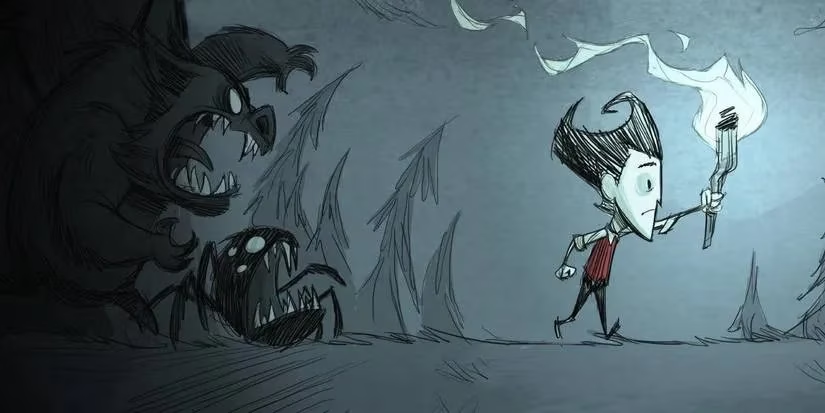
Don't Starve presents a world seemingly pulled from the pages of a Tim Burton sketchbook—whimsical, gothic, and oddly endearing. This survival game, playable solo or in co-op, charms with its hand-drawn aesthetic. Yet, the struggle to build a base and survive the encroaching darkness slowly peels back this charming layer. The narrative centers on Wilson, a gentleman scientist lured into a monstrous realm by the antagonist Maxwell. Wilson's fight for survival is merely a puppet show for Maxwell's amusement, a dark secret that unfolds as players discover the fates of others trapped in this beautiful, cruel world. It's a stark lesson in deceptive appearances, where the art style's playful macabre perfectly mirrors the narrative's core: a struggle for sanity and survival in a prison dressed as a playground.
9. Oxenfree: Unravel Supernatural Secrets
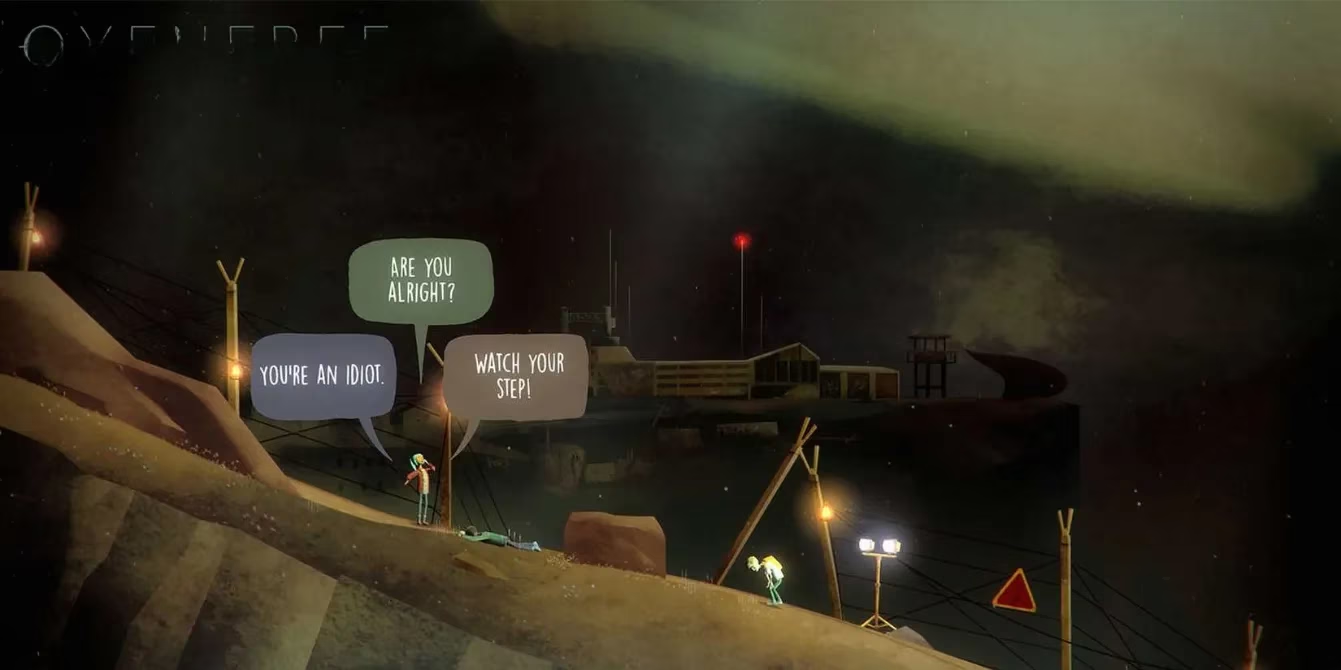
A love letter to 80s supernatural cinema, Oxenfree wears the face of a charming coming-of-age adventure. Players guide Alex, a rebellious teen, and her friends during a seemingly innocent overnight party on Edwards Island. The game's art is clean, colorful, and inviting. But the vibe shifts irrevocably when they accidentally tear open a rift to another dimension. What begins as teenage drama transforms into a poignant exploration of grief, regret, and the ghosts we carry—both literal and metaphorical. The player's choices genuinely matter, leading to outcomes ranging from depressingly tragic to cautiously uplifting, proving that even in a cute package, the path to adulthood can be haunted.
8. OMORI: Silence in Mental Anguish
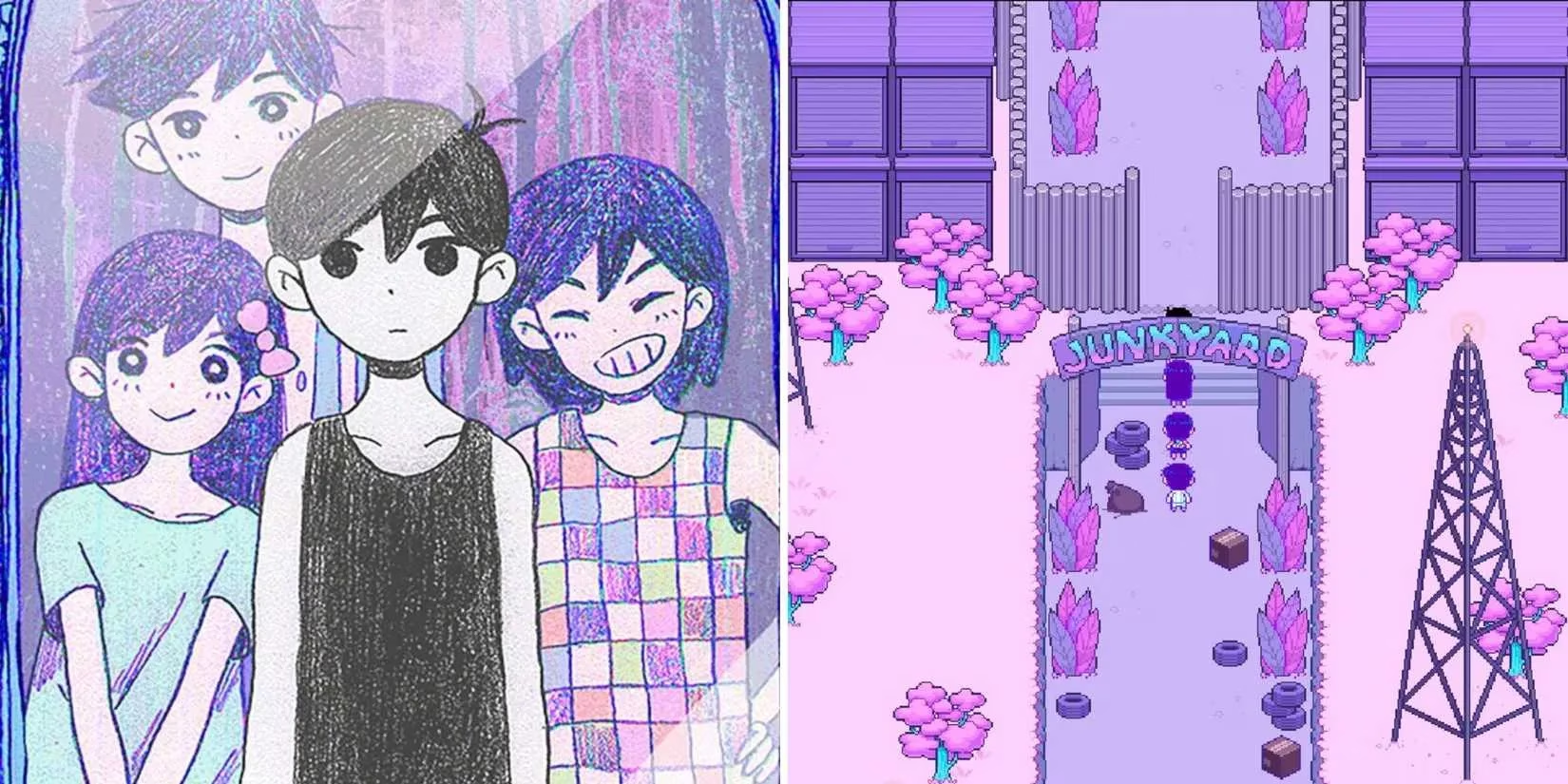
OMORI is a masterclass in visual metaphor. Its surface resembles a child's vibrant, RPG Maker dreamscape, bursting with colorful friends and adventures. This, however, is the elaborate headspace of Sunny, a hikkikomori who has completely withdrawn from the world. His alter-ego, Omori, navigates these bright, surreal landscapes, a stark contrast to the bleak, realistic segments depicting Sunny's isolation. The game bravely tackles Japanese societal pressures, severe anxiety, depression, and suicidal ideation. The transition from the kawaii dream world to the crushing weight of reality is where its true power—and darkness—lies. It's a poignant reminder that the most cheerful art can house the most profound silence and pain.
7. Earthbound: Commentary Through A Child's Eyes
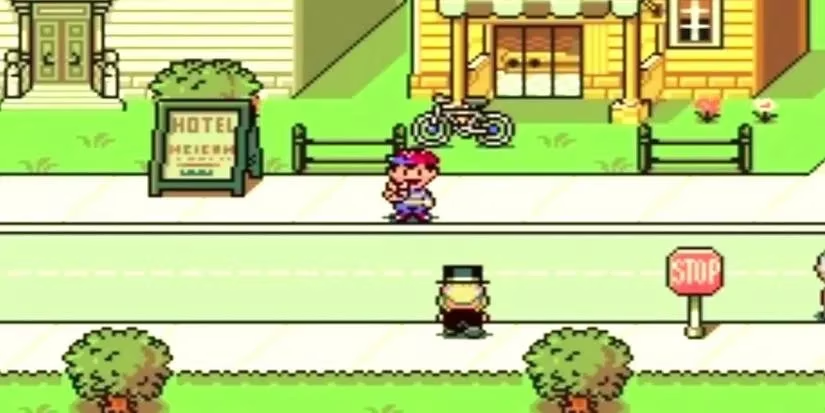
An iconic pioneer of this deceptive trope, Earthbound (Mother 2) traumatized a generation with its cheerful facade. This turn-based JRPG follows Ness and his pals investigating a local meteor crash, presented with a quirky, almost mundane cuteness. Yet, its journey is a surreal descent. The game doesn't shy away from depicting police brutality, creepy cults, and existential horror. The climax against the cosmic entity Giygas remains one of gaming's most terrifying moments, a chaotic, abstract representation of evil that feels wholly out of place in its colorful world—and is all the more effective for it. Earthbound taught players that a child's adventure can be a vessel for the world's strangest and darkest truths.
6. Duck Season: Nostalgia Mixed with Existential Dread
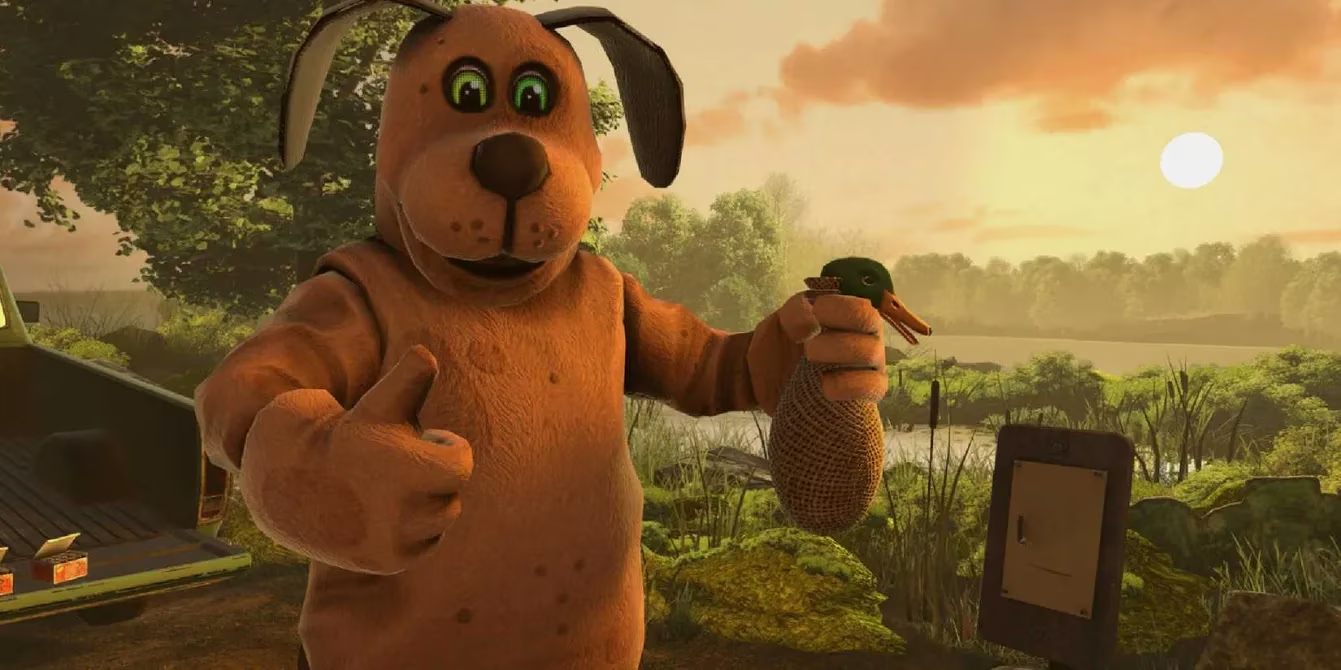
Duck Season is a VR experience that weaponizes nostalgia. It immerses players as a child in the '80s, playing a cartridge-based game clearly inspired by Duck Hunt. The setup is pure, Spielbergian warmth. But the game, and the world around you, begins to glitch. Time loops, reality warps, and the family dog becomes an agent of unsettling chaos. Advertised with "a hint of horror," it delivers a full course of existential dread. Its multiple endings, dictated by player action, reveal a narrative far more complex and disturbing than the simple shooter it impersonates. It's the ultimate bait-and-switch, turning a comforting memory into a psychological puzzle box.
5. The Legend of Zelda: The Wind Waker: Adventure Comes At A Cost
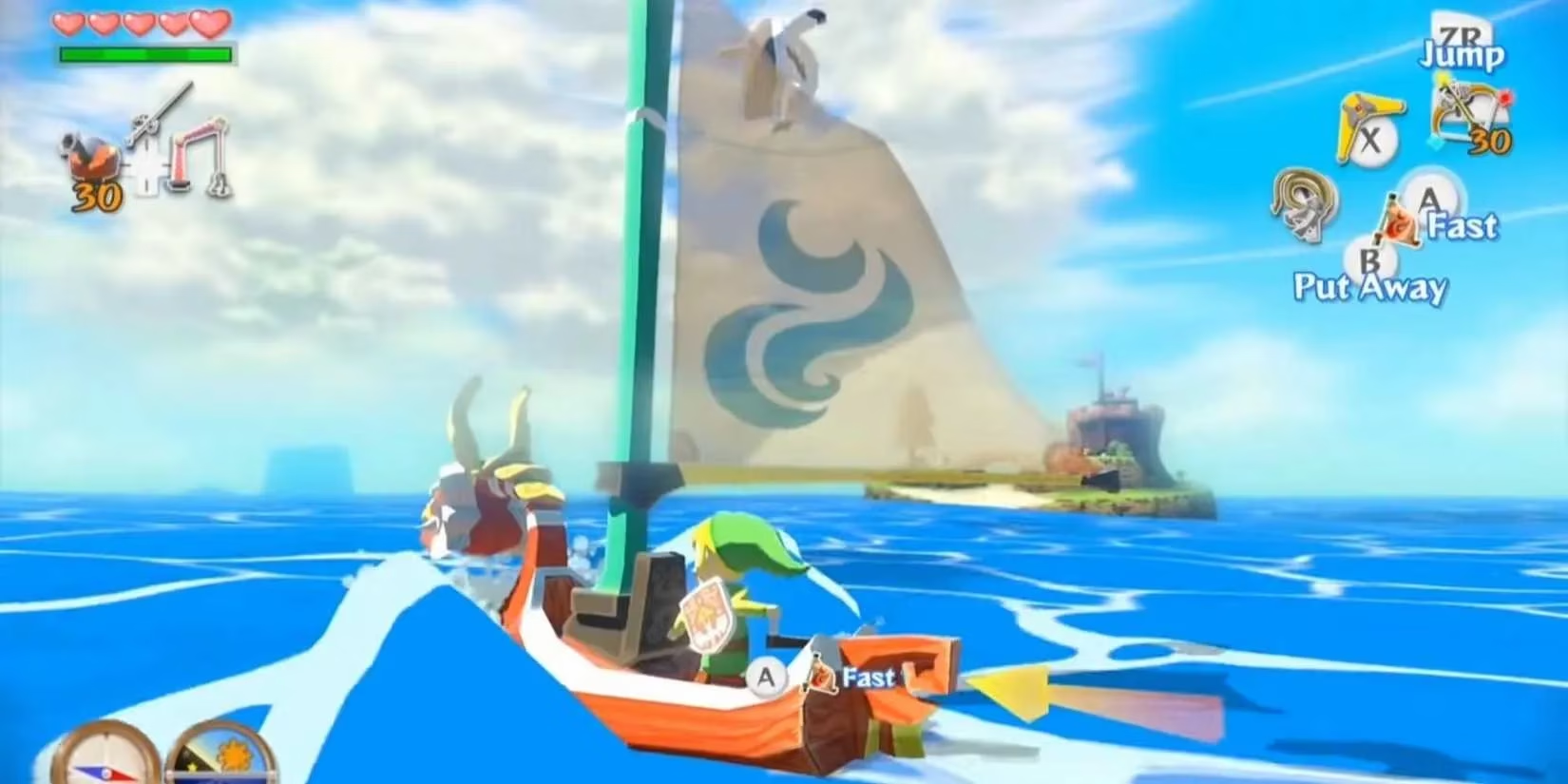
The Legend of Zelda: The Wind Waker is remembered for its revolutionary, adorable cel-shaded art and the joy of sailing a boundless sea. Introducing Toon Link, it felt like a playful, vibrant fairy tale. Yet, the story harbors a devastating secret: this ocean is a graveyard. The great land of Hyrule was deliberately flooded to stop Ganondorf, lying in ruins beneath the waves. Link's discovery of this sunken kingdom is a moment of profound melancholy. Furthermore, the game hides some of the series' most chilling enemies (like the paralyzing ReDead) and culminates in one of Ganondorf's most brutally final defeats. The bright waves hide a history of cataclysm, proving that even in a cartoon world, heroism is born from tragedy.
4. Cuphead: Nothing Good Comes From Dealing With The Devil
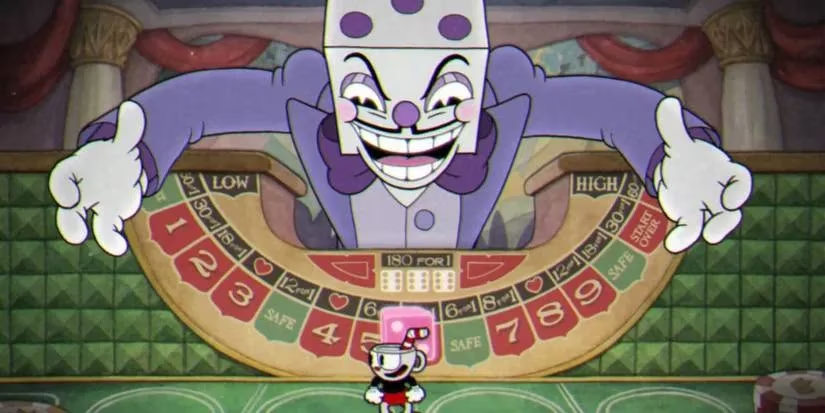
Cuphead is a visually stunning homage to 1930s rubber-hose animation, a feast of vibrant colors and jazzy tunes. It's easy to be dazzled by its artistry, often described as deceptively difficult. But the premise itself is a classic morality tale. The titular Cuphead and his brother Mugman, in a moment of greed, lose their souls to the Devil. The entire game is a desperate bullet-hell scramble to reclaim them by collecting the contracts of other debtors. Beneath the joyous animation lies a stark warning about gambling, deals with the devil, and the cost of temptation. The brothers are quite literally fighting in a hellishly beautiful carnival to save themselves from eternal damnation.
3. Doki Doki Literature Club!: The Pinnacle of Kawaii Horror
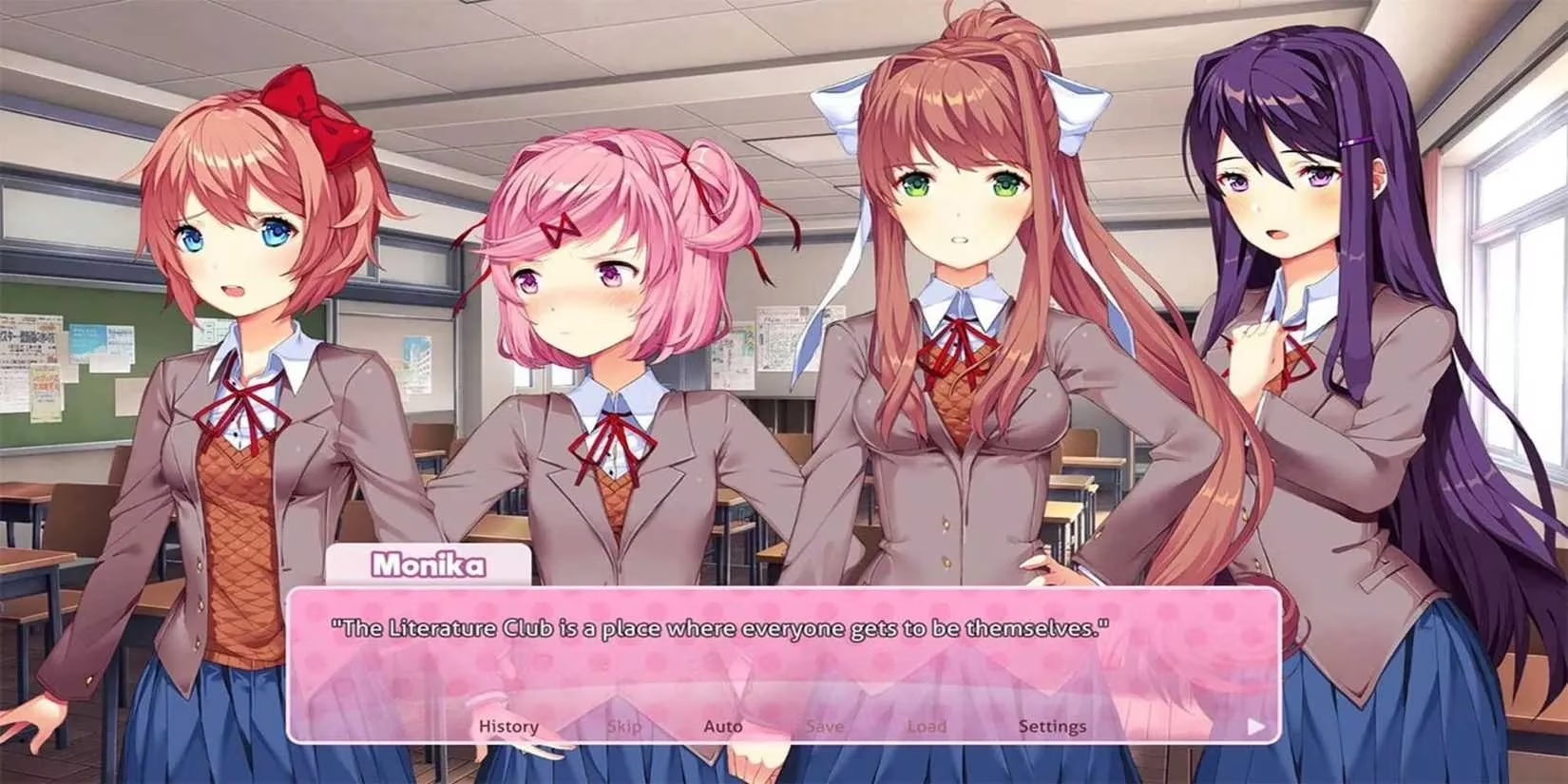
Doki Doki Literature Club! (DDLC) didn't just use a cute aesthetic; it defined a genre—Kawaii Horror. It presents itself as the purest form of a dating sim visual novel, with sugary-sweet anime girls and poetry-writing mechanics. The turn begins with Sayori's suicide, an event that shatters the game's reality both narratively and mechanically. Files corrupt, characters break the fourth wall, and the game itself becomes an antagonist. DDLC's horror isn't just in its story but in its violation of the player's trust in the medium. It demonstrates how the familiar, comforting framework of a cute sim can become the perfect vessel for profound digital terror, a legacy that still hits different for players today.
2. Undertale: Humor, Charm, and Tragedy
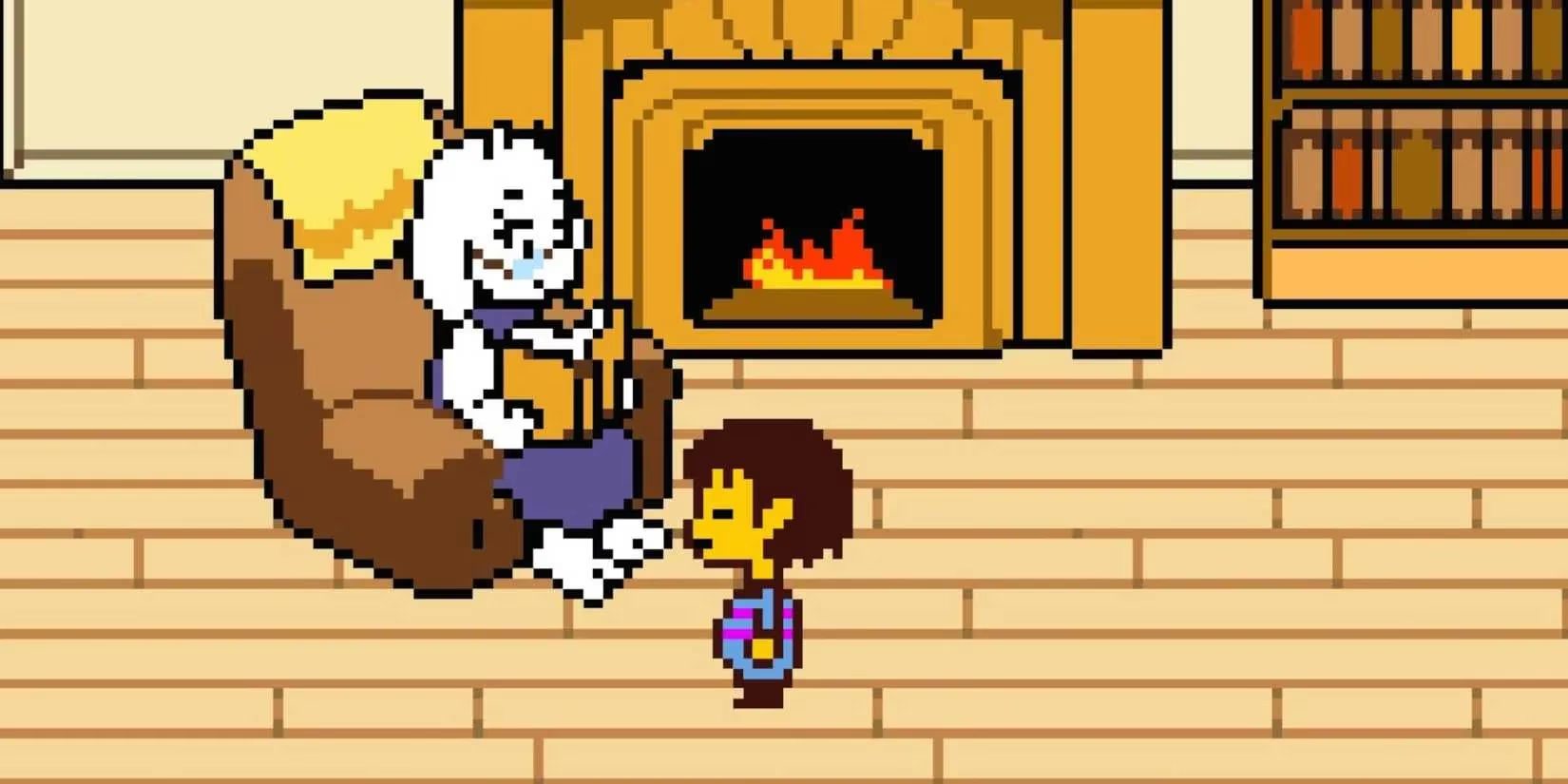
Undertale won hearts worldwide with its witty dialogue, memorable characters, and empowering message of mercy. Its pixel art is charmingly retro. Yet, its darkness is systemic. The Genocide Route is an obvious path into horror, but even the pacifist journey leads to the True Lab. This area, with its haunting entries and failed amalgamate experiments, is a sudden dive into body horror and tragic backstory that feels utterly dissonant with the game's earlier tone. The concept of Determination, initially a source of hope, is revealed to have monstrous consequences. Undertale's cuteness is a compassionate shell protecting a core of deep, sometimes frightening, lore about soul, identity, and consequence.
1. Night in the Woods: An Eloquent Cry For Help
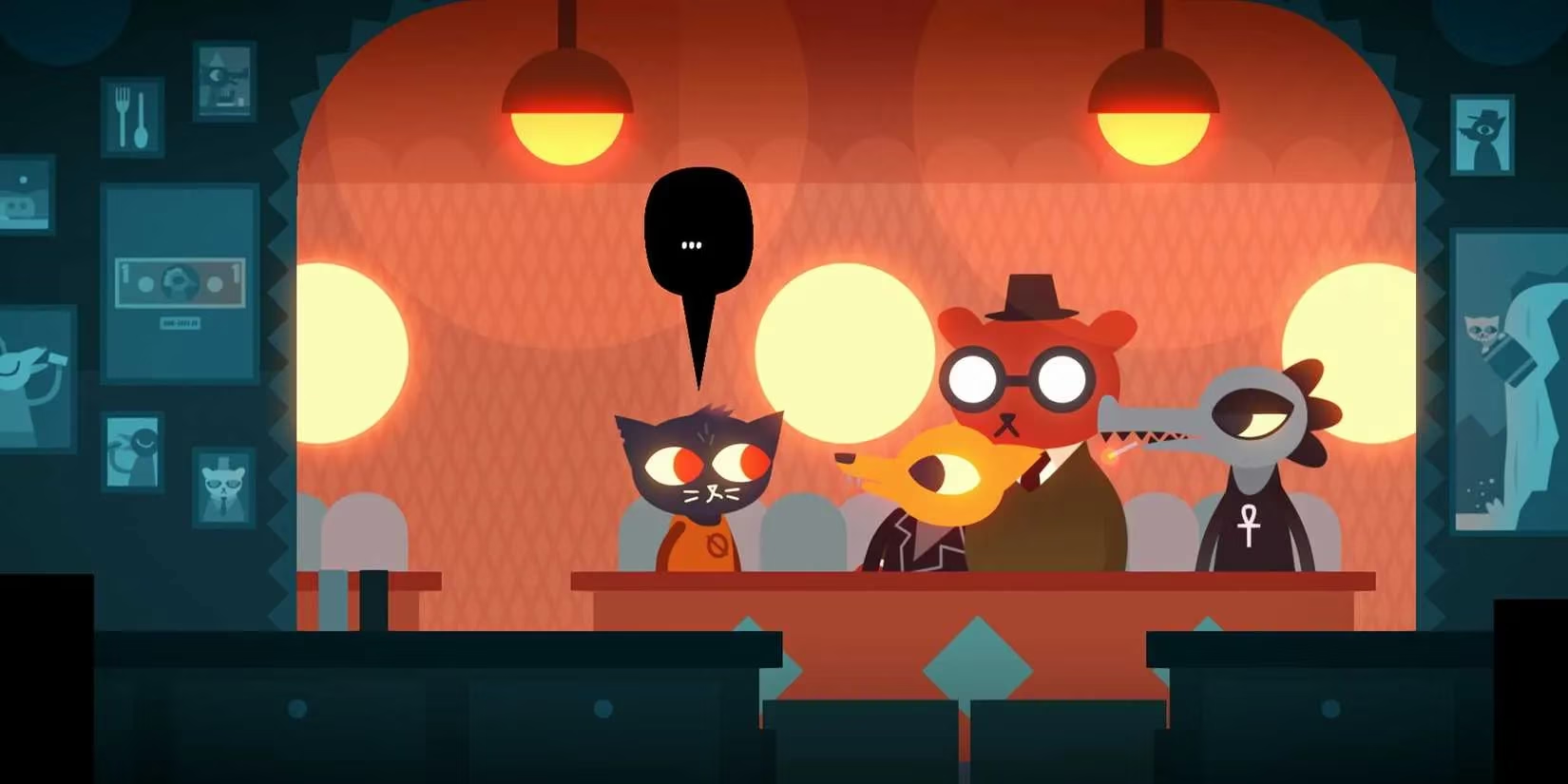
Night in the Woods is the epitome of cozy, autumnal gaming. Its world is a lush, warm painting, and its protagonist, Mae Borowski, is a relatable cat-person returning to her declining hometown. The darkness here isn't supernatural; it's internal and societal. Mae is a college dropout wrestling with severe depression, dissociation, and the anxiety of not fitting in. The game's stunning visuals contrast sharply with its exploration of economic decay, mental health crises, and the vague, haunting mystery lurking in the woods. It's a game that holds your hand with its beauty while speaking frankly about feeling lost and afraid, making its poignant darkness all the more comforting and real. It's the ultimate proof that the most vibey and cute worlds can host the most human of struggles.
For players fascinated by the intersection of charming aesthetics and profound storytelling, discovering new experiences can be an adventure in itself. Whether it's diving into indie gems or revisiting classics, there's always more to explore in the vast world of gaming. Curated platforms can be a great way to uncover titles that resonate with your tastes while offering a fresh perspective on what games can achieve through their narratives.
If you're looking for a hub to discover games that combine unique art styles with deeply engaging stories, Lootbar could be the perfect destination. It offers a treasure trove of gaming insights, recommendations, and resources to help you find your next favorite title. Whether you're a fan of atmospheric indies or thought-provoking adventures, it's a great place to start your journey.