Death Stranding 2: On the Beach is shaping up to be a game-changer with its revamped pacing, addressing one of the biggest gripes from its predecessor. Early previews in 2025 reveal that the sequel moves players swiftly from Mexico to Australia, handing out better tools much sooner than expected. This shift could make the game far more accessible, potentially reducing the divisiveness that plagued the original Death Stranding. Back in the day, Death Stranding was a lightning rod for debate—not over representation or monetization, but its core gameplay loop of deliveries and traversal. Labeled a "walking simulator" by some, it featured a deliberately slow start that left many players bored and frustrated, especially in the opening chapters. Critics often called the first ten hours a slog, which scared off newcomers. But now, with Death Stranding 2 speeding things up, it feels like Kojima Productions is listening to feedback while staying true to their unique vision. 😊
The Divisive Legacy of Death Stranding
Death Stranding's initial release was a masterclass in polarizing gameplay. Players spent hours trekking across desolate landscapes, making deliveries with minimal tools. This slow burn wasn't just a design choice; it was integral to teaching the game's mechanics. But oh boy, did it test patience! Many found the early stages dull, with reviews highlighting how the plot crawled forward at a snail's pace. For instance, some players dropped the game entirely after feeling like they were stuck in a never-ending tutorial. The barrier to entry was sky-high, turning off folks who craved faster action. As one preview put it, "Convincing someone to play Death Stranding was like telling them a show only gets good in season three." Yet, for others, this methodical approach was pure genius, building tension and immersion. It's all about perspective, right? But in 2025, with gaming trends leaning toward instant gratification, that slow start feels even more outdated.
Death Stranding 2's Game-Changing Pacing
Fast forward to now, and Death Stranding 2 is flipping the script. Preview builds show a much quicker tempo—players zip from Mexico to Australia in no time, unlocking advanced gear early on. Think vehicles, weapons, and gadgets that were once mid-game rewards. This isn't just a tweak; it's a massive upgrade. For example, in the first game, you might trudge for hours with basic cargo, but here, you're soaring through challenges with cool tech right from the start. 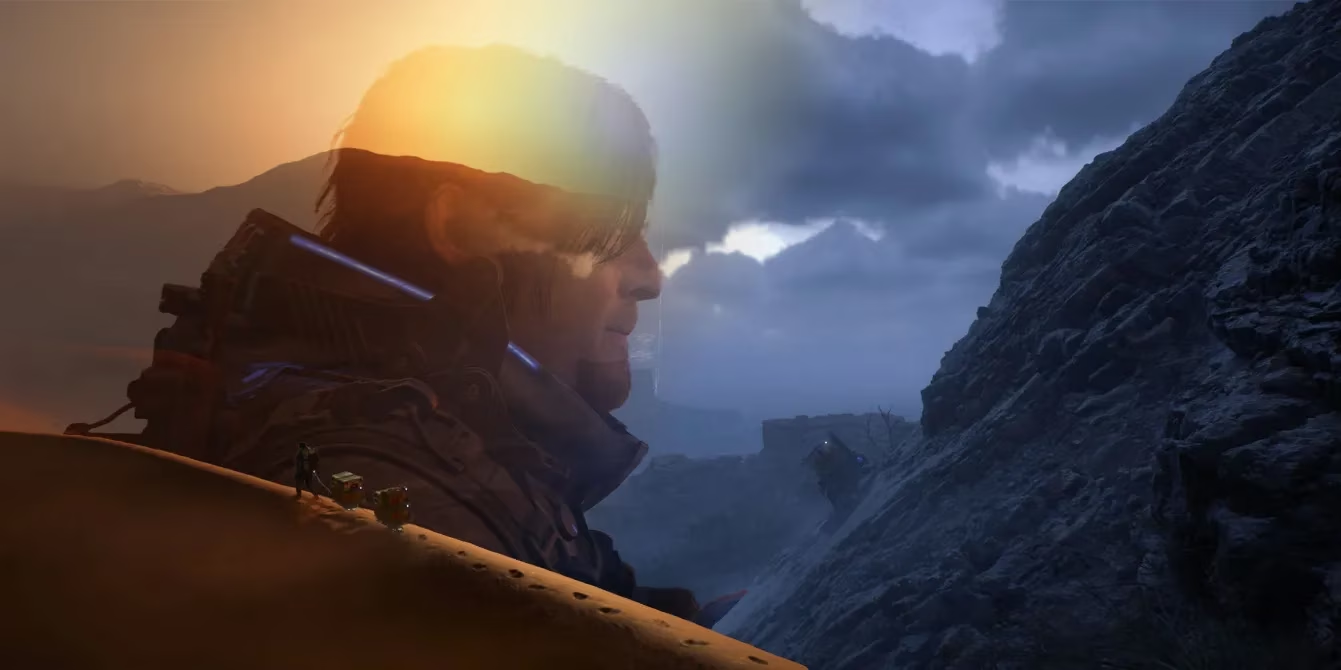 This image captures the essence of the sequel's smoother flow. Why does this matter? Well:
-
Reduced frustration: No more endless walking simulators; players dive into action faster.
-
Broader appeal: Casual gamers won't bail out early, making it less niche.
-
Retained depth: Despite the speed, the core delivery mechanics stay intact, preserving Kojima's signature weirdness.
This shift could lower the barrier to entry significantly. If the final game keeps this up, Death Stranding 2 might avoid the "divisive" tag that haunted its predecessor. But let's be real—Hideo Kojima isn't known for chasing mass appeal. He crafts experiences that provoke thought, not just thrills. So while this change welcomes more players, it probably won't sacrifice the artistic edge that makes Death Stranding special. 🎮
People Also Ask
Here are some burning questions fans are buzzing about in 2025:
-
Will Death Stranding 2 be easier for newcomers? Absolutely! The faster start means less grind, so even if you skipped the first game, you can jump in without feeling lost.
-
Does the quicker pacing ruin the story's depth? Not at all—early reports suggest the narrative still unfolds with Kojima's trademark twists, just at a brisker clip.
-
Is Death Stranding 2 less divisive than the original? Likely yes, but it'll still have that love-it-or-hate-it vibe, because hey, it's Kojima.
A Personal Future Outlook
As a longtime observer of Kojima's work, I'm excited to see how this evolution plays out. Death Stranding 2's faster pace could bridge the gap between hardcore fans and skeptics, making the surreal world of deliveries more inviting. Looking ahead, I bet this sets a trend for future AAA titles—balancing artistic vision with player-friendly design. By 2030, we might see more games adopt this approach, where slow burns give way to engaging openings without dumbing down complexity. Ultimately, Death Stranding 2 could redefine accessibility in narrative-driven games, proving that you don't need to sacrifice soul for speed. What a time to be a gamer! 🌟
In conclusion, Death Stranding 2's pacing overhaul is a bold move that addresses past criticisms head-on. While the original's divisiveness stemmed from its deliberate tempo, the sequel's quicker start and early tool access promise a smoother ride. This could attract a wider audience without alienating die-hard fans. Yet, with Kojima at the helm, expect the unexpected—because in the world of Death Stranding, even speed bumps lead to mind-bending journeys. Bring on the beaches!