As I look ahead to the release of Death Stranding 2: On the Beach in 2026, my feelings are a complex mix of excitement and apprehension. The sequel promises to be an even more audacious and distinctly Kojima-esque experience than its brilliant but notoriously impenetrable predecessor. It's a game that has evolved in fascinating ways, introducing a host of new, wonderfully strange features that will undoubtedly delight the die-hard fans who connected with the first game's unique blend of desolate traversal and surreal sci-fi storytelling. However, my enthusiasm is tempered by a growing concern. While Kojima Productions has clearly pushed the creative boundaries forward, they seem stubbornly determined to carry over some of the most frustrating and immersion-breaking elements from the original Death Stranding. These aren't game-breaking flaws, but their persistent inclusion feels like a missed opportunity to refine the experience and move beyond the first game's more indulgent tendencies.
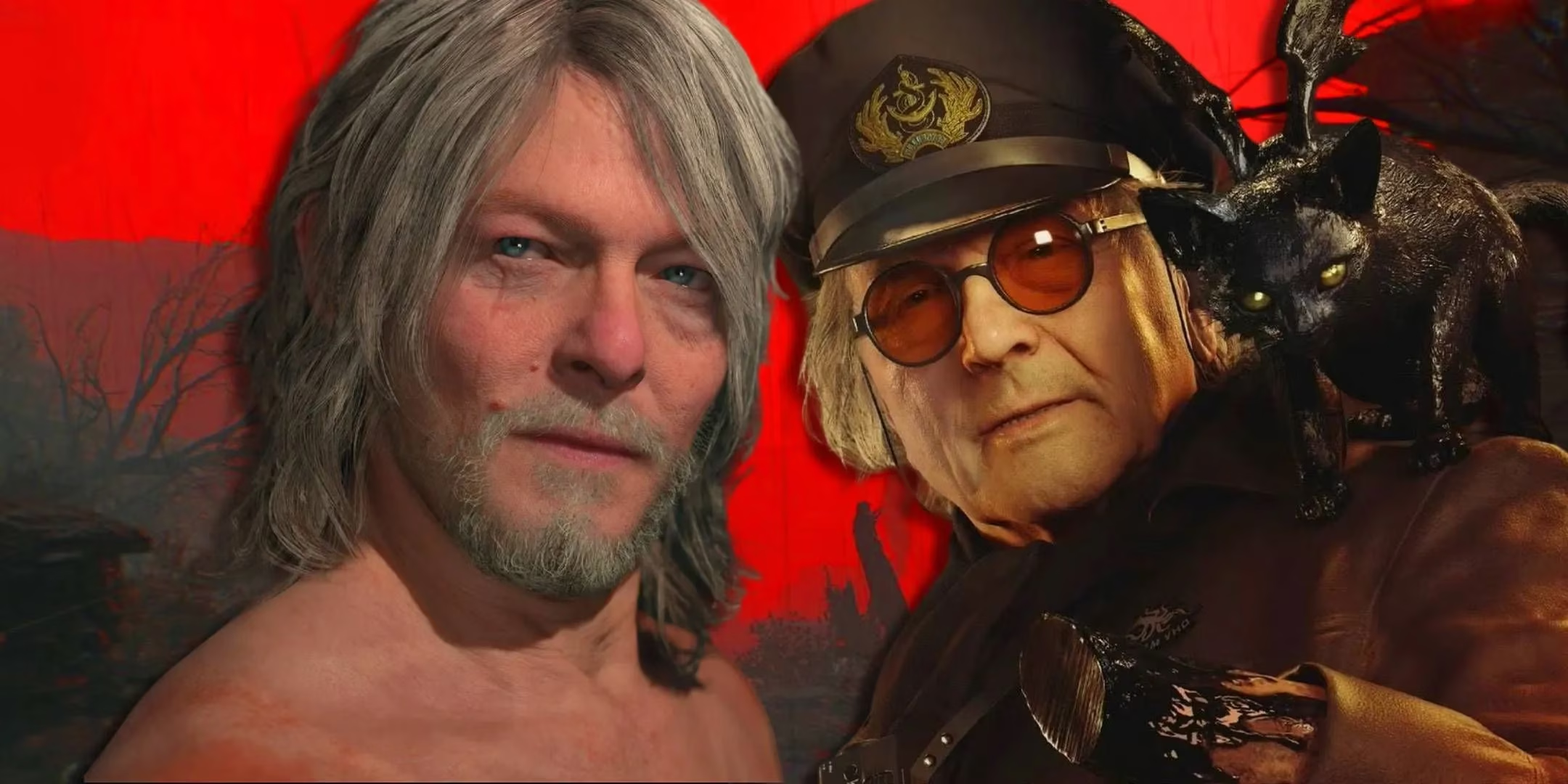
One of the most glaring holdovers is the insistence on celebrity cameos that feel more like vanity projects than meaningful contributions to the world. Just like in the first game, Death Stranding 2 is populated with the scanned faces of famous directors and actors. We have George Miller, the visionary behind Mad Max, appearing as a character named Tarman. We have the return of figures like Nicolas Winding Refn's Heartman. Yet, here's the puzzling part: these celebrities often aren't performing the roles themselves. George Miller's Tarman is voiced and performed by Australian actor Marty Rhone. This practice immediately begs the question—what is the point beyond simple name-dropping (or rather, face-dropping)? For me, these inclusions are deeply distracting. They act as a constant, jarring reminder that I'm playing a Hideo Kojima production, pulling me out of the fragile, rain-soaked reality of the game's world. When Conan O'Brien showed up in the first game, it was a fun but ultimately frivolous wink that broke the solemn tone. In a sequel that appears even weirder and more thematically dense, such indulgent cameos risk feeling even more out of place, serving little narrative or gameplay purpose beyond showcasing Kojima's Hollywood Rolodex.
My frustration doesn't end with celebrity faces. Another specter from the first game's release has returned: blatant in-game marketing. I vividly remember the initial launch of Death Stranding, where the immersive, lonely atmosphere was periodically shattered by conspicuous cans of Monster Energy drink and promotions for Norman Reedus's other projects. While much of that product placement was eventually patched out, Death Stranding 2 seems to be heading down a similar path. The collaboration with the fashion brand Acronym is a prime example. They've designed the bright orange and black Drawbridge jackets worn in the game and immediately sold a real-life, limited-edition replica for a staggering $1,720 right after the game's showcase. This move strongly suggests that the sequel will continue to blur the line between its dystopian fiction and real-world commerce. While budget constraints might explain some sponsor involvement, it often feels less like a necessity and more like Kojima's desire to mimic the product placement common in big-budget films. In a game about reconnecting a shattered world, these corporate logos feel like the wrong kind of connection to make.
Death Stranding 2 is already shaping up to be an incredibly complex and bizarre experience. The trailers have shown us a guitar-wielding Higgs, surreal puppet shows, and conversations that spiral into the absurd. It's a world that demands a lot from its players, requiring either prior knowledge of the first game's labyrinthine plot or a willingness to dive into hours of explanatory content. This inherent complexity is part of its charm, but it also makes the game vulnerable. Adding unnecessary layers of real-world distraction—be it a famous director's face where it doesn't belong or a jacket you can buy for a small fortune—only serves to push away players who are already on the fence about the game's dense mythology. The original Death Stranding just barely managed to balance its weirdness with its heart. The sequel, with its even more questionable mechanics (like that truly bizarre in-game photo mode), might not have the same luxury.
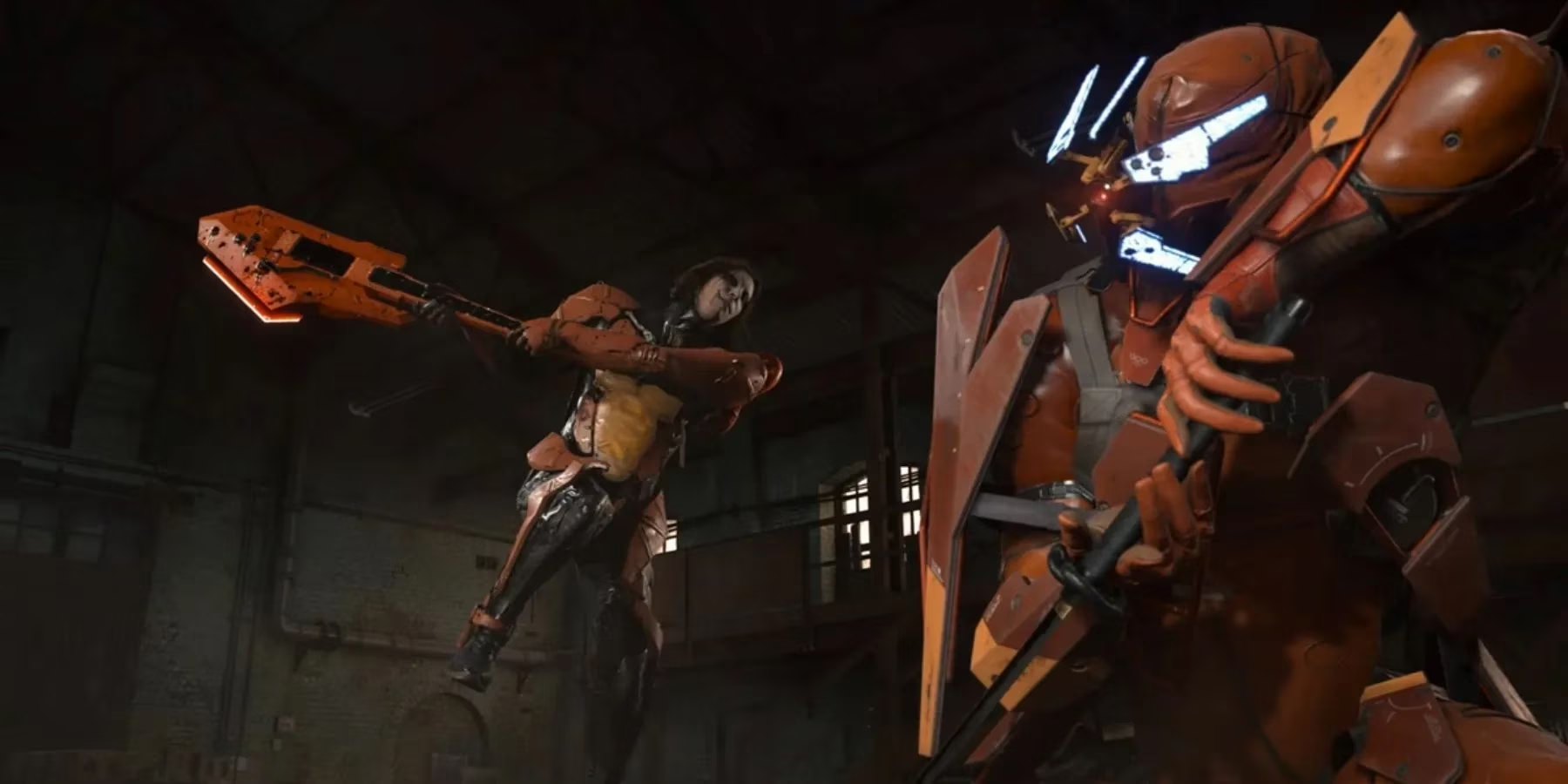
Looking at the press images for On the Beach, I'm struck by the haunting beauty and sheer originality of the world Kojima Productions has built. The desolate shores, the intricate technology, and the palpable sense of isolation are powerful. It's a vision that deserves to be experienced without compromise. Yet, the legacy of the first game's more frustrating choices looms large. The cameos and marketing feel like artifacts from a different design philosophy, one that prioritizes the creator's personal network and cinematic aspirations over seamless player immersion.
In the end, my hope for Death Stranding 2 is bittersweet. I am eager to return to its unique world, to shoulder a cargo load and trek across a broken landscape once more. The potential for a masterpiece is clearly there. However, I can't help but feel that the game is saddling itself with infuriating features it has outgrown. As players, we embraced the challenge of connecting cities and understanding chiral networks. It's a shame that we might also have to endure the disconnect caused by elements that serve little purpose other than to say, "Look who we know." The true test for Death Stranding 2 won't just be whether it can live up to its predecessor's ambition, but whether it can finally leave its worst habits on the shore.
As we navigate the intricacies of Death Stranding 2, players may find themselves in need of guidance or resources to fully immerse themselves in the game's multifaceted universe. Whether it's understanding the lore behind the chiral networks or optimizing your in-game experience, there's a wealth of information available to help you make the most of your journey. For those looking to delve deeper into gaming strategies and community insights, Lootbar offers an excellent platform where enthusiasts can explore engaging content, tips, and discussions tailored to enhance your gaming adventure.
Exploring websites like Lootbar can provide players with the tools and knowledge necessary to tackle the challenges posed by Death Stranding 2. With a community focused on sharing experiences and expertise, players can connect with others who share their passion for unraveling complex game narratives and mechanics. This collective wisdom not only enriches your gameplay but also fosters a sense of camaraderie as you embark on the solitary journey that Kojima has masterfully crafted.