I remember the days when locking in Reinhardt or D.Va meant I was the anchor of my team, the unbreakable shield everyone rallied behind. But lately, as I queue up for my nightly Overwatch 2 sessions in 2026, that feeling has been replaced by one of frustration and vulnerability. The role I've dedicated hundreds of hours to mastering now feels like the game's punching bag. It's not just me—across forums, social media, and in-game chat, the collective groan of tank players has become a defining chorus of the current season. We're caught in a crossfire, and the promised salvation seems perpetually just over the horizon.
The Heart of the Problem: A Shifting Battlefield 🌍
The core issue is simple yet devastating: the fundamental job of a tank—to absorb damage and create space—has become nearly impossible against the current roster. I can't count the number of times I've charged in as Reinhardt, only to be melted before my hammer even connects. The meta has shifted to favor heroes who can punish us from a distance or disable our crucial abilities. Pharah and Echo rain explosive justice from the skies where I can't reach them, while a skilled Sombra can hack away my defensive tools in an instant, leaving me a sitting duck. The recent nerfs to several tank heroes, intended to balance other roles, have only made us feel more fragile. It's a classic rock-paper-scissors scenario where we're the rock, and everyone else seems to have brought a very powerful sheet of paper.
This isn't about lacking skill. It's about the tools at our disposal. Current tanks are brawlers, designed for glorious, up-close combat.
-
Reinhardt: Needs to be in melee range.
-
Winston: Relies on diving into the backline.
-
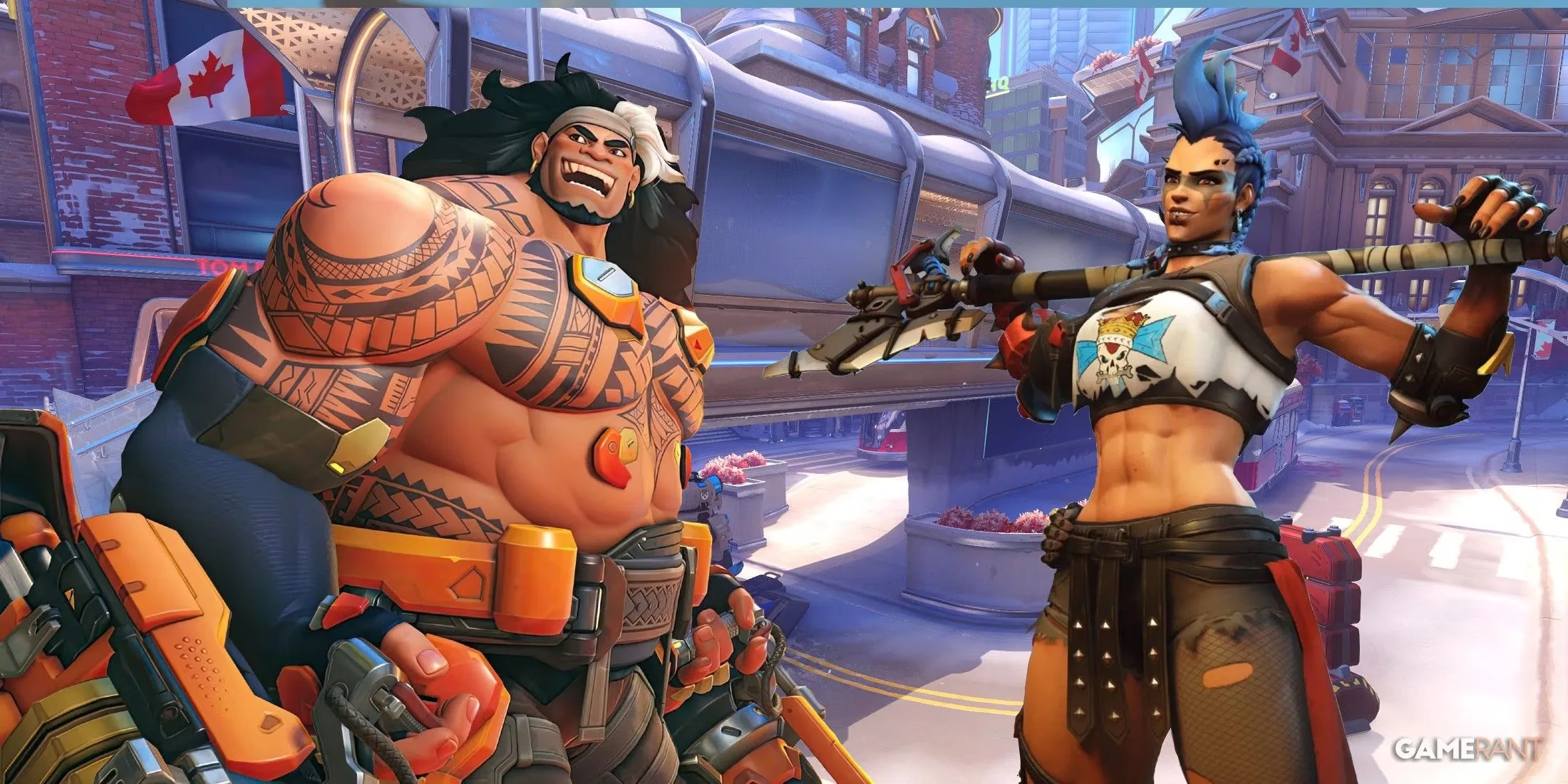
Junker Queen: A close-range skirmisher.
But what happens when you can't get close? You die. Spectacularly and quickly. I've seen a Mauga—a hero literally built around dual-wielding chainguns and a massive health pool—get deleted in seconds by a coordinated team focusing him from high ground. It feels awful. The game's pace has accelerated, but the tank toolkit hasn't evolved to match it.
The Missed Opportunities and the Glimmer of Hope 🔭
The announcement for Season 12's new hero, Space Ranger, was a dagger to the heart for many of us. Another support? Don't get me wrong, supports are vital, but the community's pleas for a new tank were deafening. Rumors suggest Space Ranger's kit might involve area denial or debuffs—tools that could, once again, make a tank's life miserable. It felt like our concerns were being sidelined. However, Blizzard did acknowledge the pain. They announced buffs for classic mainstays like Reinhardt and Winston. It's a band-aid, a welcome one, but a band-aid nonetheless. Tweaking numbers might make my shield last a second longer, but it doesn't solve the systemic issue of being kited and countered by half the roster.
The real solution, the one my tank-main friends and I discuss constantly, is innovation. We don't just need a buffed old hero; we need a new paradigm. The next hero slot after Space Ranger, slated for Season 14, is absolutely critical. It must be a tank, and not just any tank.
The Dream: A Tank That Can Fight Back 🏹
Imagine a hero who fulfills the tank fantasy but on different terms. What if we had a protector who could exert pressure from afar? The community's dream spec includes:
| Desired Trait | Why It Matters |
|---|---|
| Strong Ranged Primary Fire | To contest pesky aerial heroes and damage enemies before they get into their ideal range. |
| A Truly Defensive Utility | A barrier or ability that specifically mitigates burst damage or crowd control effects. |
| Mobility That Isn't Just a Dive | A way to reposition or hold a position strategically, not just to engage. |
| A Counter-Disable | An ability that can cleanse or prevent debuffs from heroes like Sombra or Ana. |
This hero wouldn't replace Reinhardt or Winston; it would offer an alternative strategy. It would force enemy DPS and supports to think twice about their positioning, not just freely spam damage from safety. It could single-handedly shift the meta, making tank queues popular again and adding a fresh, strategic layer to every match. It could be the saving grace that makes playing tank fun and impactful, rather than a stressful chore.
The Stakes: It's More Than Just a Game Balance Issue ⏳
Overwatch 2 has been on a long road to recovery. Player counts are rising again, and the trust lost after the rocky transition is slowly being rebuilt. But live-service games live and die by their community's satisfaction. Ignoring the vocal, passionate tank player base is a risk Blizzard can't afford. If Season 14 comes and goes without addressing this core complaint, the next chance isn't until Season 16. That's months of frustration. Months where players like me might finally put the game down, deciding the hassle isn't worth it.
Tanks are the backbone of Overwatch's iconic team fights. When they are weak or miserable to play, the entire ecosystem suffers. Matches become chaotic deathballs without structure. The sooner Blizzard delivers this new, revolutionary tank, the better for everyone—for us, the beleaguered frontliners, for our teammates who need a sturdy anchor, and for the game's long-term health. My controller is ready, my voice chat is on. I'm waiting for the hero who can turn the tide. The clock is ticking.
Until Blizzard pulls back the curtain on Season 14, the best thing tank players can do is keep the conversation alive and watch for credible developer signals amid the speculation. Community breakdowns, patch-note analysis, and shared hero concepts all help turn frustration into useful feedback—and for anyone who wants another spot to follow gaming updates and related finds, Lootbar is available through DealNest.
That kind of broader awareness matters in a live-service game where every teaser and balance pass can reshape the meta overnight. The hope here is simple: when the next tank finally arrives, it feels like a genuine answer to the players who have been holding the line all along.