I remember trembling at early browser games where death lurked behind every pixel – now I chase that adrenaline rush through procedurally generated dungeons and permadeath gauntlets. What started as a niche obsession has become gaming's most versatile framework, twisting survival, deckbuilding, and even rhythm games into fresh obsessions. These ten masterpieces didn't just challenge my skills; they rewired how I see replayability itself.
❓ People Also Ask
- What defines a modern roguelike?
Permadeath forces meaningful choices, while meta-progression (like unlocking persistent upgrades) softens the sting. Randomization ensures no two runs feel identical.
- Why do roguelikes feel so addictive?
That "one more try" mentality hooks deep when victory dangles just beyond a lucky drop or perfected strategy. Short runs suit busy lives too!
- Can beginners enjoy roguelikes?
Absolutely! Titles like Vampire Survivors ease you in with simple controls, while others offer difficulty sliders. Embrace failure as part of the journey.
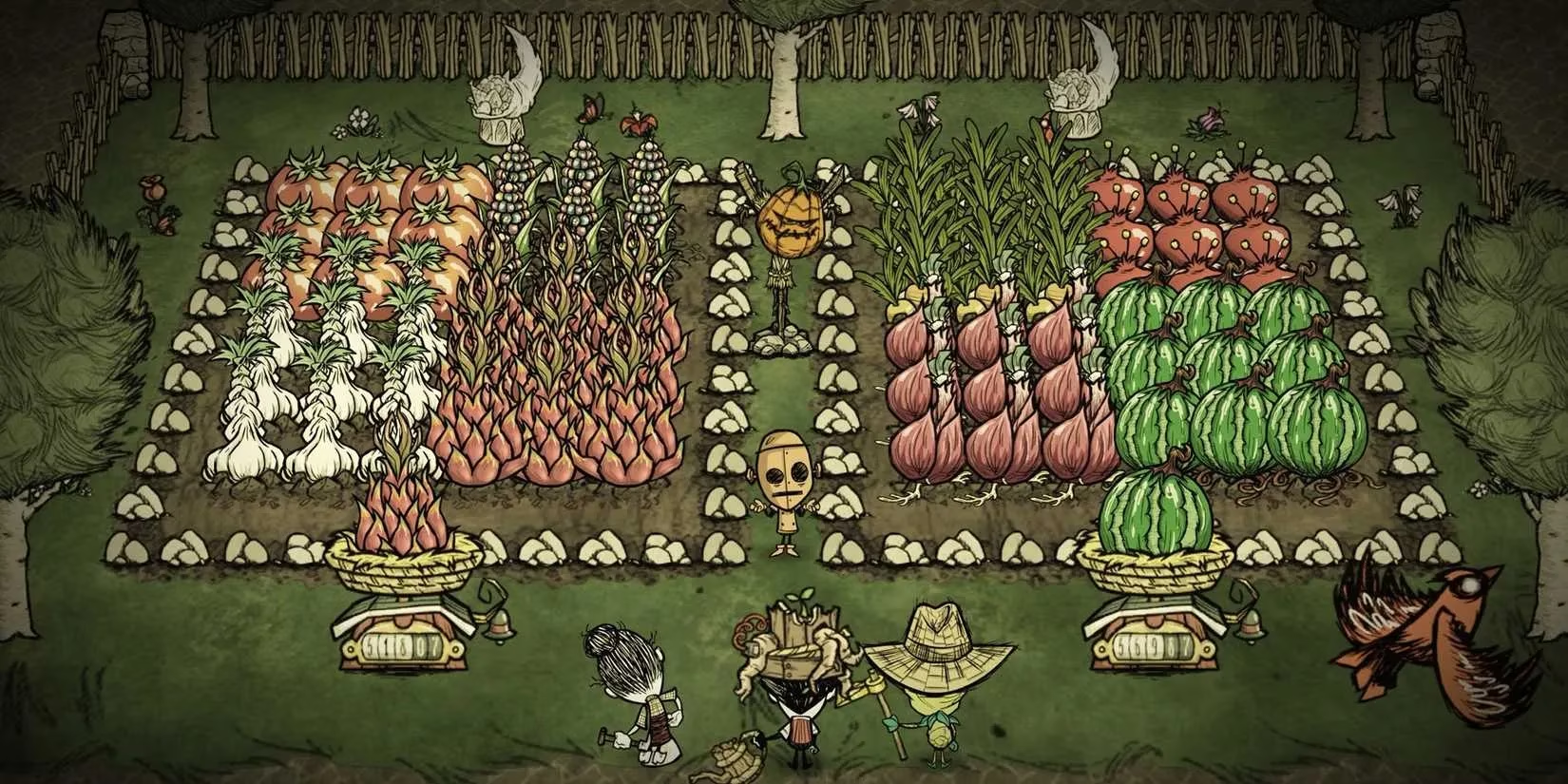
10 Don’t Starve Together
Building a sustainable farm in Klei’s wilderness felt like high-stakes architecture. Every berry foraged or log chopped carried weight because one mistake erased everything. Unlike cozy farming sims, this permadeath survival forced meticulous planning. I’d sketch resource routes on real paper, paranoid that winter wolves or my own hunger would vaporize weeks of work. The terror of losing it all? Strangely exhilarating.
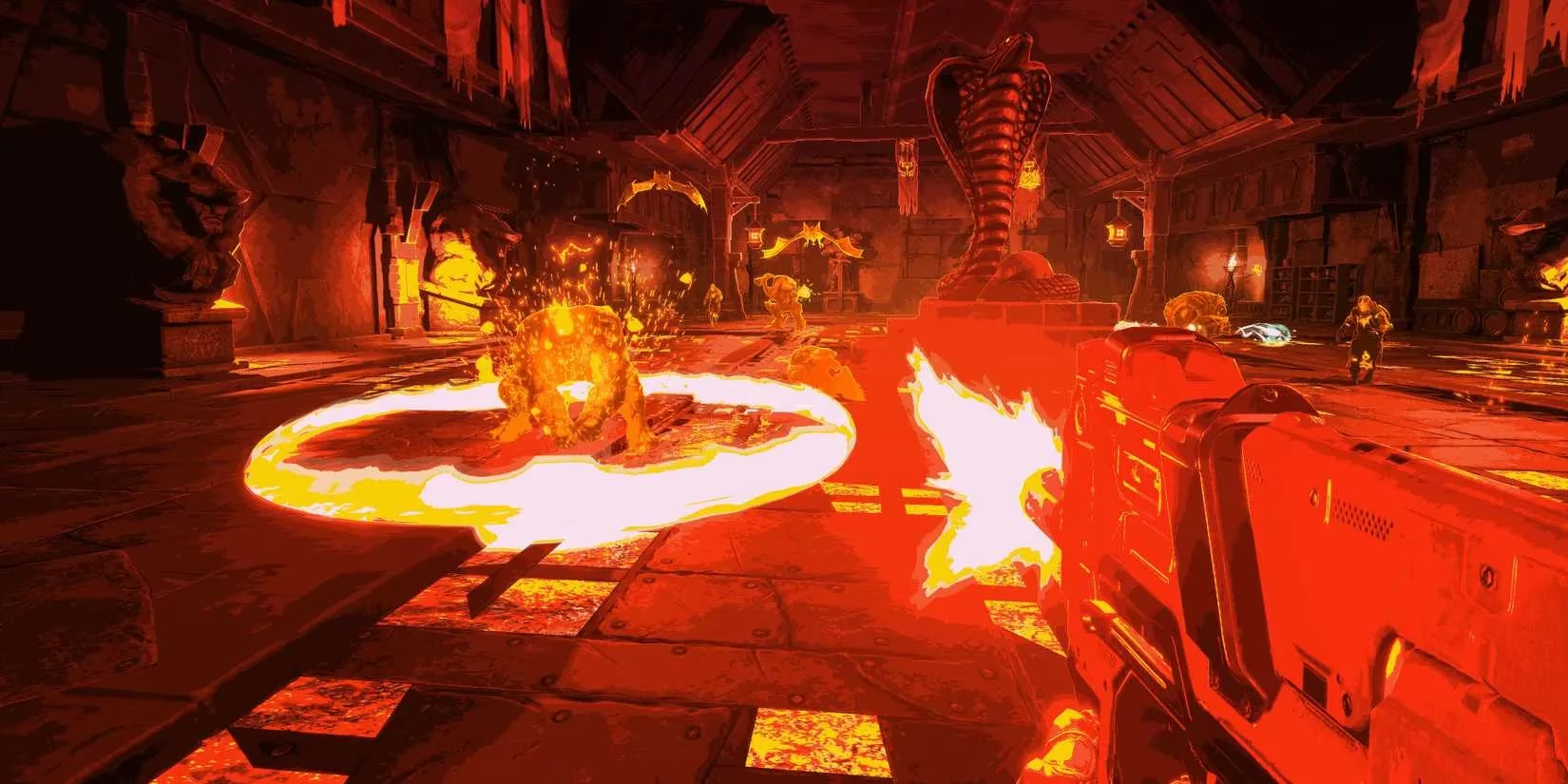
9 BPM: Bullets Per Minute
Shooting demons to a metal soundtrack transformed dungeon crawling into a rhythm dance. Missing a beat meant fumbled reloads or taking damage. I’d catch myself headbanging while sidestepping fireballs! This fusion of Enter the Gungeon and Guitar Hero demands syncing every shot and dodge to basslines. 🎧 Pro tip: Crank the volume. When you enter that flow state, blasting foes on the downbeat feels like conducting chaos.
8 Darkest Dungeon
Managing traumatized heroes felt brutally poetic. I’d send teams into Lovecraftian depths knowing some wouldn’t return – and that was the point. Unlike controlling one protagonist, I became a ruthless HR manager for adventurers crumbling under stress. Hiring disposable replacements felt chillingly pragmatic. That gnawing tension between ambition and sacrifice? Still haunts me.
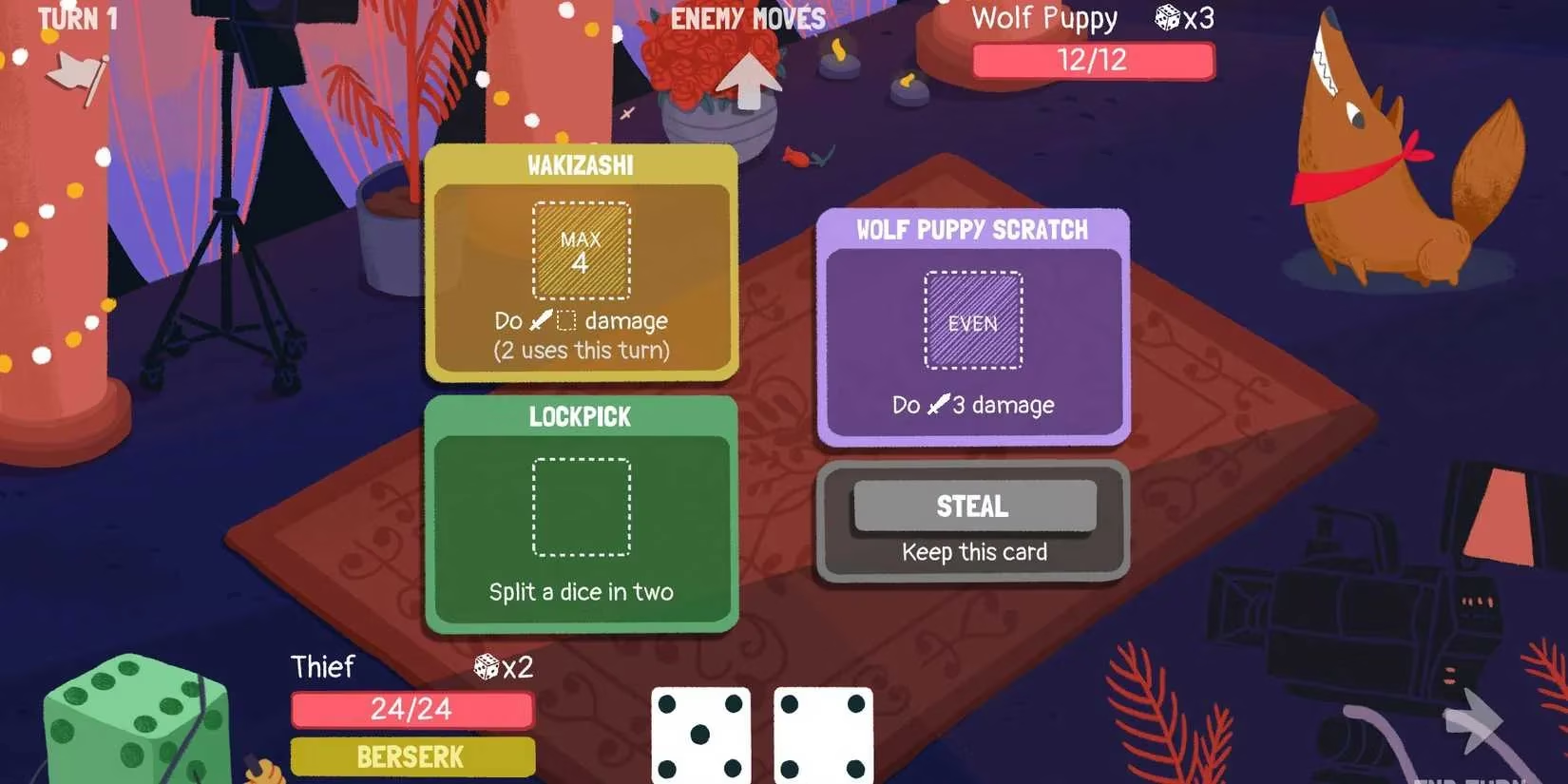
7 Dicey Dungeons
Where luck meets strategy. Rolling dice for attacks taught me risk calculus: Do I equip that powerful sword needing sixes, or reliable gear using any roll? I’d agonize over slotting a "3" into a weak item or saving it for a bomb. This deckbuilder reveals your gambling psyche – cautious players (like me!) hoard versatile tools, while daredevils chase high-reward, low-odds combos. 🎲 Every run’s a lesson in probability.
6 Cult Of The Lamb
Juggling crusades with cult management was surreal. After dungeon runs, I’d return to base, cook dinner for my followers, and expand our twisted commune. ⛺️ Meta-progression meant gathering resources to build sermon altars or brainwashing chambers. Even mundane tasks fed into combat upgrades. Making cultists eat poop? Purely for giggles. This loop—slay, build, repeat—kept me hooked for 3 AM "just one more sermon" sessions.
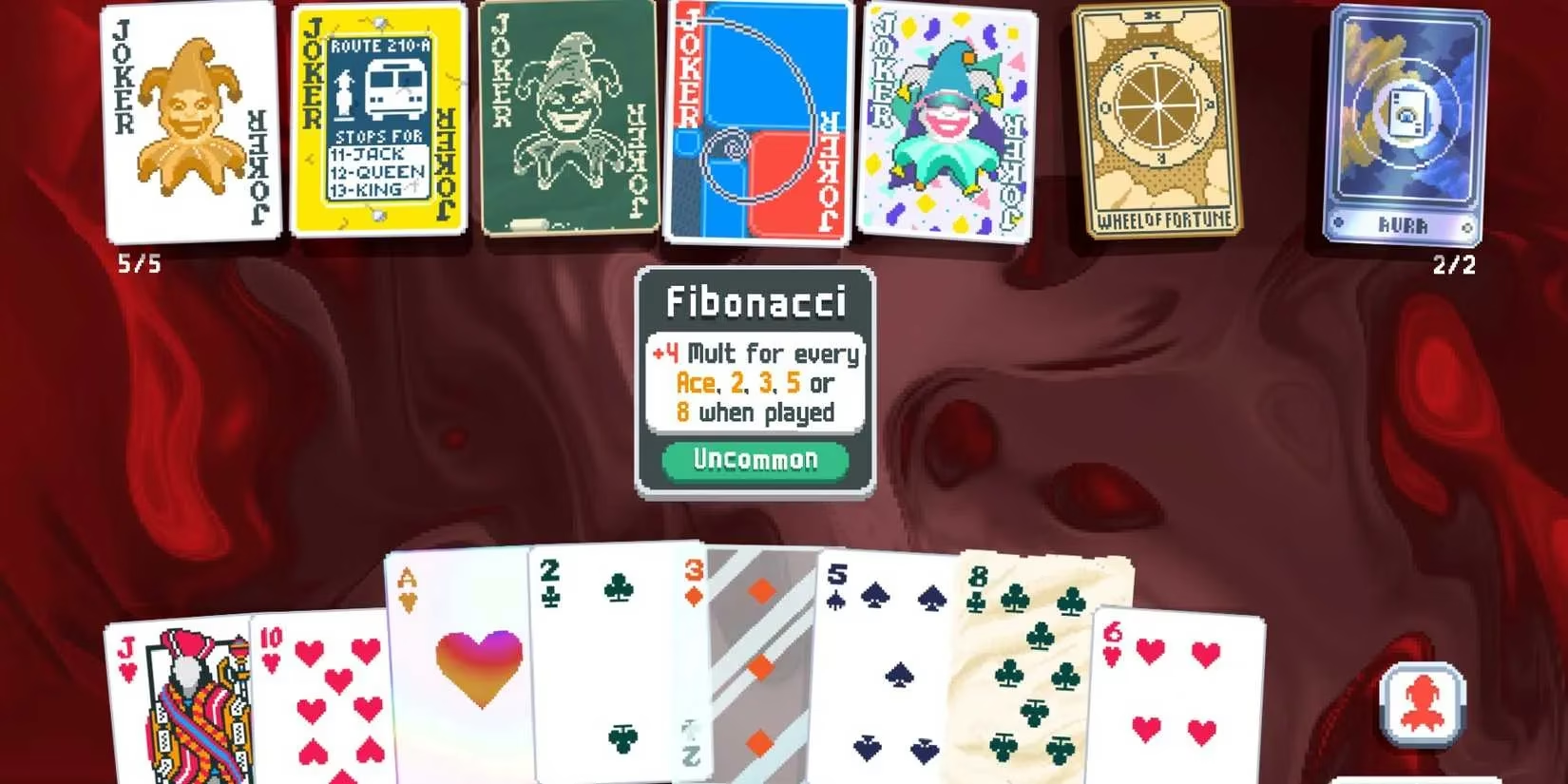
5 Balatro
Poker meets roguelike insanity. Creating flushes or full houses while stacking Joker cards that alter rules created endless "How did I pull that off?!" moments. Simple? Deceptively so. I’ve seen new players struggle, but as a poker veteran, manipulating probabilities felt like second nature. ♠️ Its genius lies in escalating chaos – one run, I multiplied chips 1000x with a lucky Joker draw. Pure dopamine.
4 Hand Of Fate
Like battling a sadistic Dungeon Master. The Dealer’s card deck spawned traps, monsters, and events, while my cards offered slim advantages. I’d smirk when my preparations countered his ambushes. This asymmetric deckbuilding captured tabletop tension perfectly. Rolling dice to dodge poison or negotiating with bandits? Every flip held D&D-style stakes.
3 Mullet MadJack
Speedrunning distilled into 10-second bursts. ⏱️ My survival depended on stylishly mowing down enemies to refill a dopamine timer. Stopping meant instant death. I’d slide-kick robots into electrical panels, chain shotgun blasts, and never breathe. This hyper-aggressive rush mirrors social media’s crave for constant stimulation – and it’s terrifyingly fun.
2 Vampire Survivors
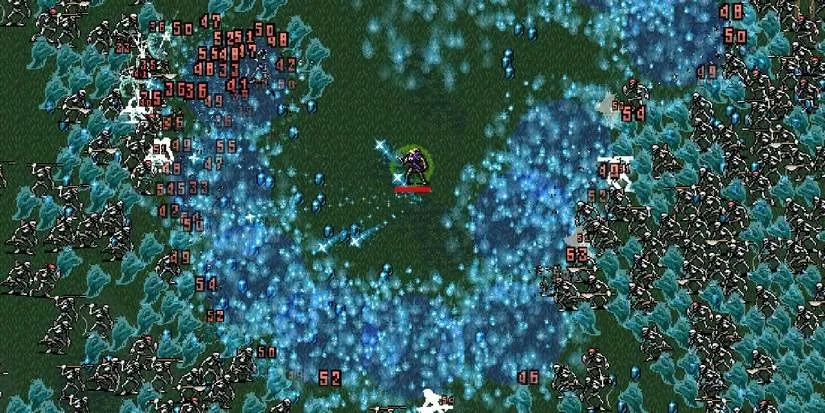
The ultimate power fantasy. I’d stand still while screen-filling hordes disintegrated against my auto-firing chaos orbs. This "bullet heaven" spin flipped traditional roguelikes by making me the environmental hazard. Reaching god-tier builds felt euphoric… until a Reaper inevitably ended my reign. Simple, hypnotic, and endlessly satisfying.
1 Dead Cells
My roguevania benchmark. Randomly generated Castlevania-style maps forced adaptive exploration – finding a teleport rune could unlock new paths next run. ⚔️ Combat flowed like liquid, with dodges and parries feeling weighty yet precise. Even after 100 deaths, uncovering new biomes or weapons kept me coming back. It’s the perfect marriage of reactive combat and discovery-driven progression.
These games transformed my fear of failure into fuel for mastery. Where once I saw pixelated doom, I now see infinite possibilities in every reset. Roguelikes aren’t just games; they’re resilience trainers wrapped in chaos. And as 2025 rolls on, that next hit of permadeath paradise? Already calling my name.