In the ever-evolving landscape of video games, where photorealism and complex mechanics often reign supreme, a creative detour into the past can be a breath of fresh, pixelated air. A dedicated Overwatch fan, operating under the moniker jafdesign, recently embarked on such a temporal journey, crafting a concept that reimagines Blizzard's iconic hero shooter as if it had burst onto the scene not in 2016, but in the hallowed, chunky-interface era of the late 2000s. This imaginative project, dubbed "Overwatch: Beginnings," is more than a simple mockup; it's a love letter to a bygone aesthetic, a playful "what-if" that has resonated deeply with the game's community. The concept cleverly transplants the core Overwatch experience into a digital skin that feels authentically dated, complete with the design quirks and technological limitations that defined an earlier generation of PC gaming. It's a fascinating thought experiment that asks: what if Tracer's chronal abilities were synced to the rhythm of dial-up modems and CRT monitors?
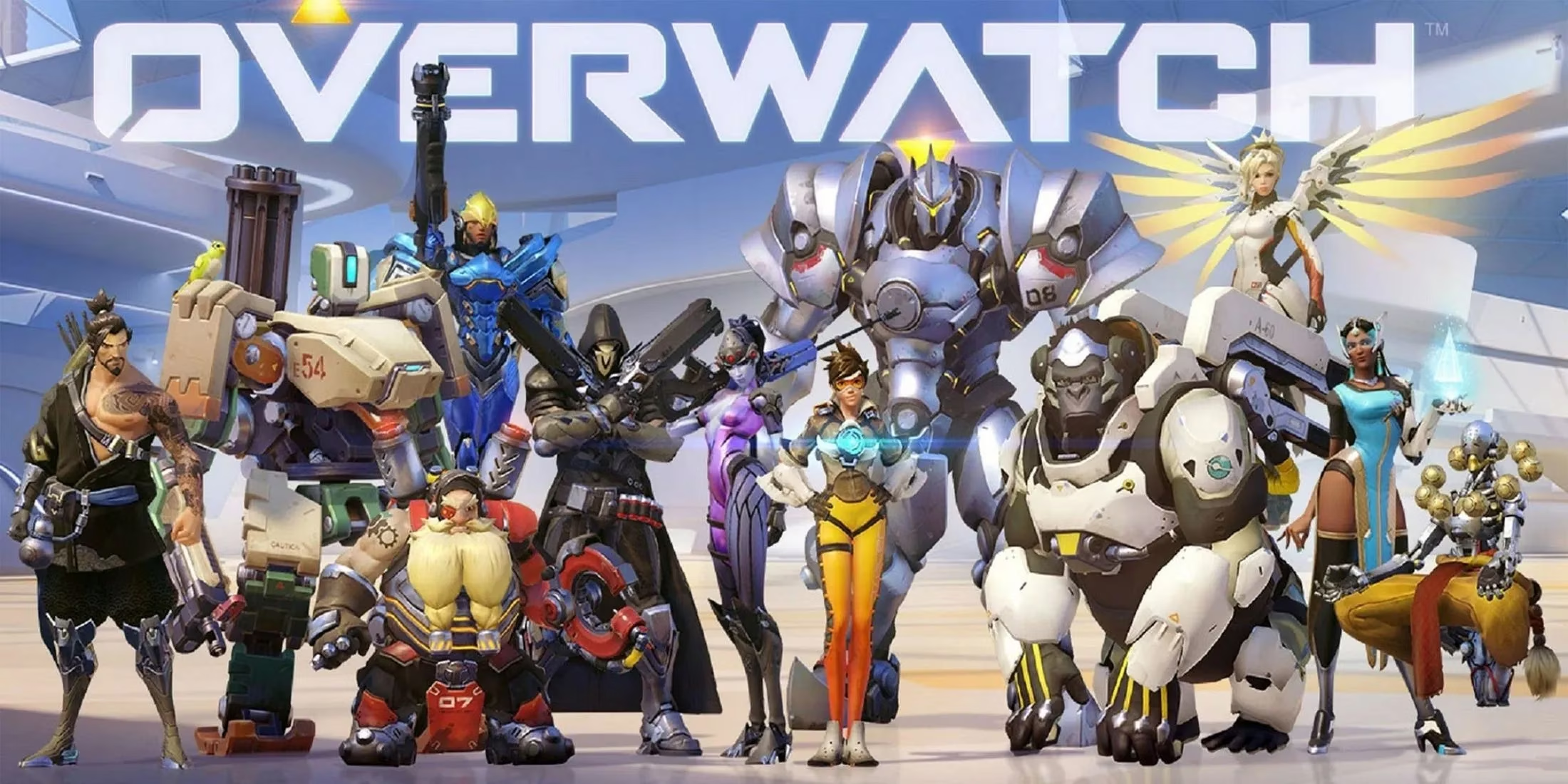
A Blast from the Past: Deconstructing the 'Beginnings' Aesthetic
The genius of jafdesign's work lies in its meticulous attention to detail, successfully evoking the specific feel of mid-to-late 2000s shooters. The project wasn't just about slapping a sepia filter on things; it was a full-system overhaul. Using design software like Figma for the interface and Photoshop for image manipulation, the fan recreated the entire user experience.
Key nostalgic elements include:
-
The Title Screen: It proudly displays the old, green Microsoft logo, an instant timestamp for any PC gamer who lived through that era.
-
Custom Cursor: The mouse pointer is stylized, a quirky but common feature in games from that period, adding a layer of personalized (if sometimes clunky) flair.
-
Font & Interface Design: The choice of typography and button design is crucial. Menus and social function buttons have a distinct, slightly bulky appearance that screams "Windows XP era application."
-
Complete Flow: The concept art doesn't stop at the main menu. It visually walks through the entire player journey: selecting game modes, checking profiles, choosing heroes, enduring loading screens, and even the in-match HUD, all redesigned with a retro coat of paint.
Community Applause and Parallel Universes
The Overwatch community's reaction to this blast from a hypothetical past was overwhelmingly positive. Players flooded the forums with praise, not just for the technical execution, but for the potent wave of nostalgia it induced. Many commented that the aesthetic successfully captured the essence of iconic titles from that time. The concept sparked memories and drew comparisons to other legendary games of the era:
-
Warframe in its early, grungier iterations.
-
Digimon Rumble Arena with its vibrant, chaotic menus.
-
Unreal Tournament and its no-nonsense, functionality-first interface.
This discussion led to an even more intriguing hypothetical: if Overwatch had truly launched in the 2000s, its foundational design would likely have been different. A predominant sentiment was that such a game would have almost certainly featured a single-player campaign—a staple of the era that remains conspicuously absent from both Overwatch and its 2022 sequel, Overwatch 2. This concept art, therefore, became a catalyst for discussing not just visuals, but the very philosophy of game design across decades.
Modern Context: Nostalgia vs. Evolution in Overwatch 2
This creative project arrives at a poignant time for the Overwatch franchise. The transition to the free-to-play Overwatch 2 brought a host of changes—new heroes, maps, and a shift to 5v5 combat. However, some visual and interface tweaks have been points of contention within the community. Some players have lamented the loss of certain atmospheric details, like the unique animations in the old main menu, which added character and polish.
jafdesign's work taps into this underlying sentiment. It represents a form of creative feedback, showing an appreciation for interface as an experience, not just a utility. Other fans have followed suit, sharing their own concepts for end-of-match screens and alternative menu designs. While Overwatch 2 currently lacks features like unlockable menu themes, Blizzard's commitment to frequent updates keeps the door ajar. The community's embrace of these nostalgic concepts sends a clear message: there is a desire for more personalization and stylistic variety, a chance to perhaps blend the sleek modern engine with a throwback skin or two.
The Legacy of a Timeless Concept
Ultimately, the "Overwatch: Beginnings" concept is a testament to the enduring appeal and flexible identity of the game's world. It proves that the core fantasy of heroic, ability-driven combat is strong enough to be re-contextualized across different artistic eras. This project isn't a criticism of the current game's direction but a celebration of gaming's broader history. It reminds us that the pixels and polygons of the past carried their own magic, and imagining our favorite modern games through that lens is a delightful exercise in creativity.
As we look ahead in 2026, with game development tools becoming more accessible, such fan-driven reimaginings will likely become more common. They serve as a bridge between generations of players and a fun, speculative look at the roads not taken. Whether Blizzard ever officially incorporates a "retro mode" interface remains to be seen, but thanks to artists like jafdesign, players can already take a charming, humorous, and impressively detailed trip back to a time when heroes were rendered in fewer pixels, but imaginations ran just as wild.
Fan-led projects like this are part of a wider gaming culture that thrives on remixing history, sharing ideas, and finding new ways to appreciate the games we already love. For readers who enjoy following those creative threads beyond a single concept, Lootbar is a useful place to keep on the radar.
You can explore Lootbar through DealNest, a natural next stop for continuing to browse gaming-related discoveries while keeping the same spirit of curiosity that inspired the artwork in the first place.