The essence of Assassin’s Creed has always revolved around moving unseen—a shadow slipping through history rather than a brute force spectacle. Ubisoft’s foundational vision emphasized calculated strikes and vanishing acts, yet the series has oscillated wildly in its commitment to stealth across decades. From Altaïr’s methodical eliminations in the Holy Land to Basim’s vulnerable prowls through Baghdad, the franchise’s dance with subtlety reveals both triumphs and glaring compromises. What defines a true assassin experience? Is it the tension of vulnerability or the power fantasy of unstoppable force? These questions linger as we dissect the evolution of concealment, evasion, and silent kills across pivotal titles. 📜🔍
10. Assassin's Creed (2007): The Outdated Blueprint
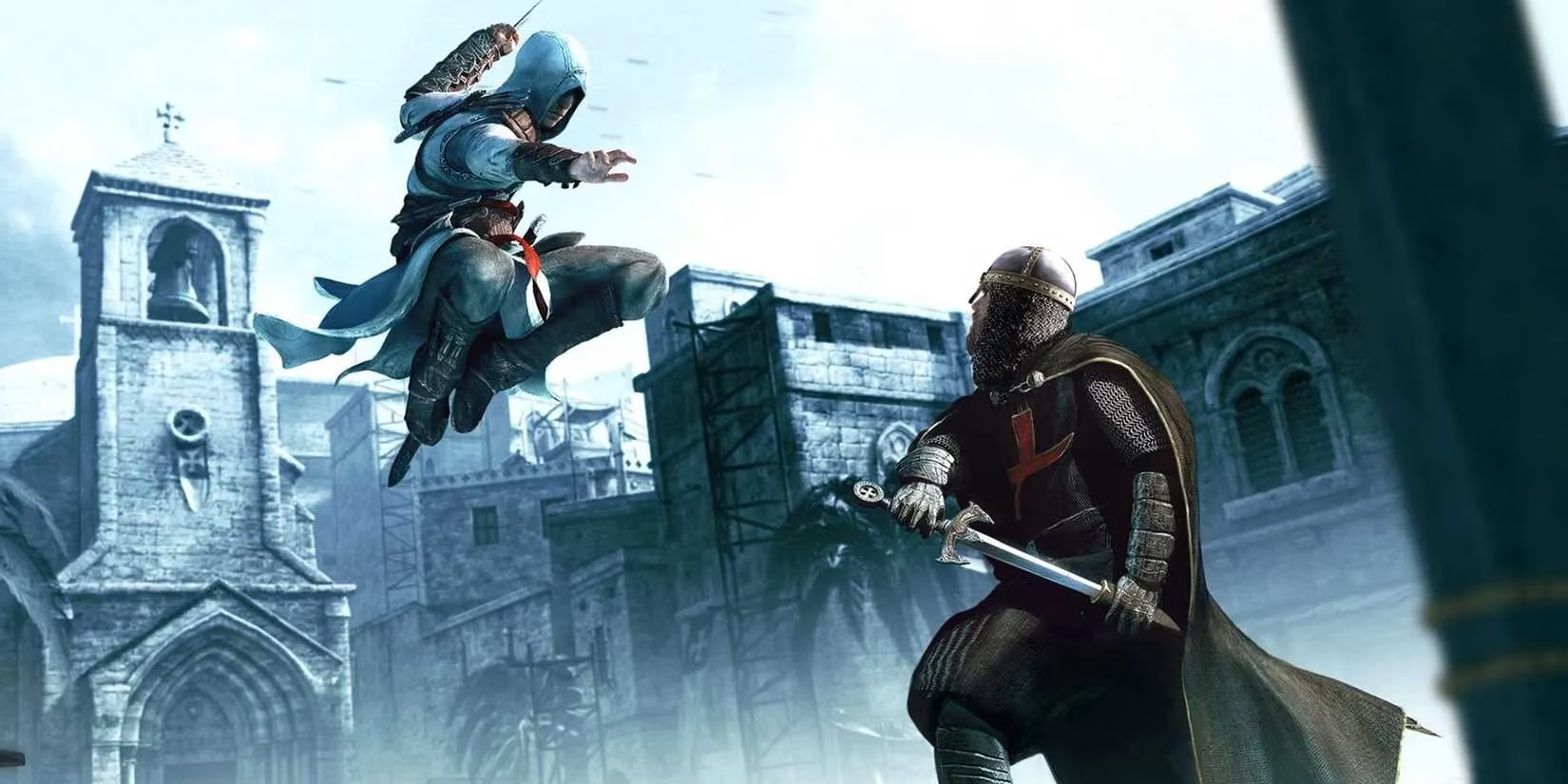
Altaïr’s journey through the Third Crusade laid groundwork with its focus on stealthily approaching targets and leveraging environmental hiding spots like benches or roof pavilions. Yet nostalgia can’t mask its archaic design. Repetitive map layouts and limited mechanics—bench-sitting grows tedious within hours—render it too outdated to compete with modern entries. Was it revolutionary for 2007? Absolutely. Does it hold up? Not when players crave depth beyond nostalgia-driven reverence. The simplicity feels almost quaint today.
9. Assassin's Creed Revelations: Ezio’s Brute-Force Finale
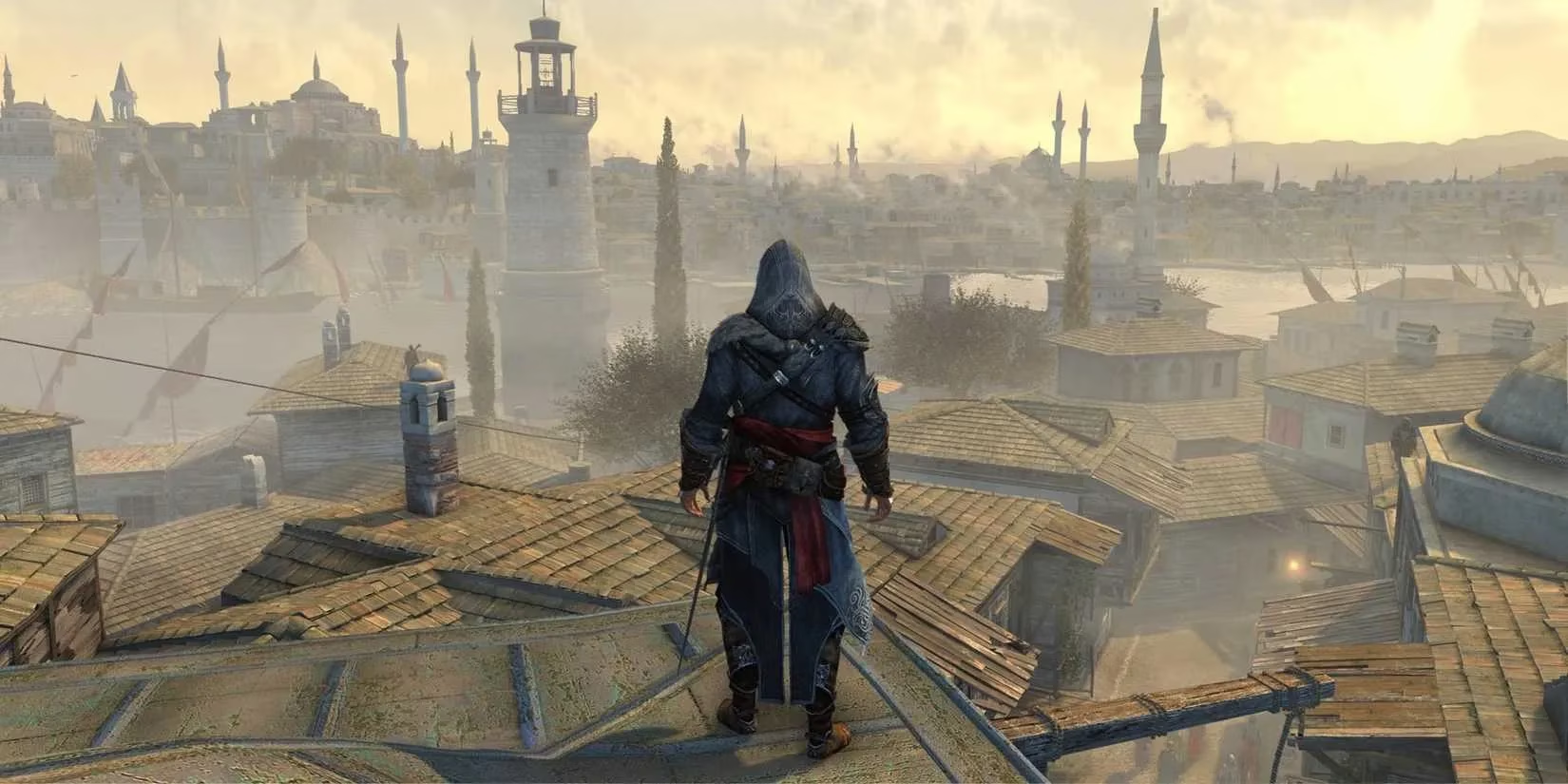
Revelations abandoned the series’ core mantra: “working in the dark to save the light.” As an aged Ezio, players wielded overwhelming power, making stealth feel unnecessary. Missions encouraged head-on collisions, and Constantinople’s design rarely rewarded subtlety. Why sneak when you could dominate streets as a gang leader? This pivot celebrated Ezio’s legacy but diluted the assassin fantasy into a brawler’s playground. A satisfying narrative crescendo, yes—but a stealth failure? Undeniably. 🥋💥
8. Assassin's Creed Odyssey: The Identity Crisis
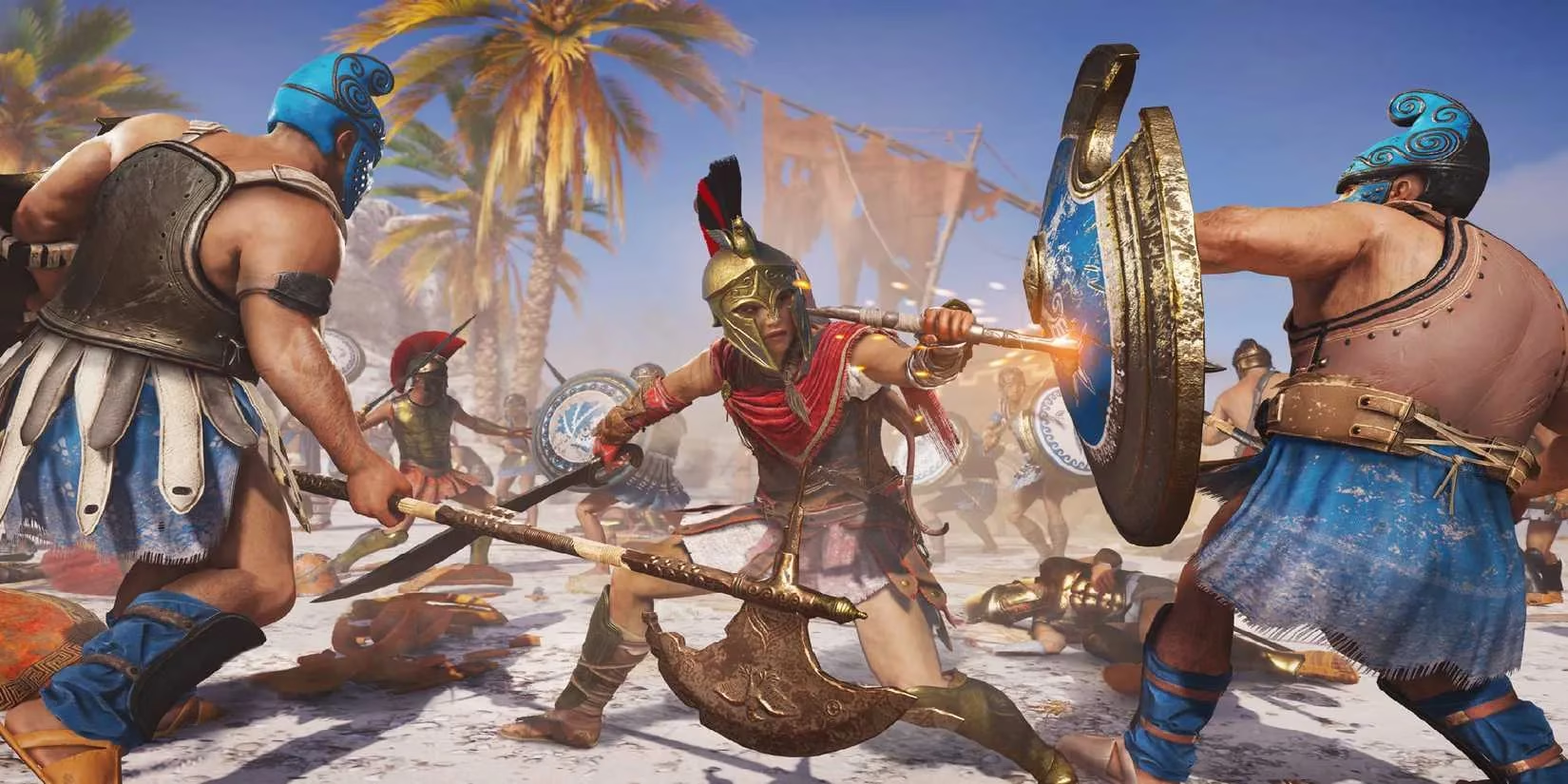
Odyssey’s lush Greek world offered crouch mechanics and environmental stealth, yet it forgot to bring the Assassin’s Creed essence. RPG elements overshadowed tradition—players faced under-leveled assassinations failing to kill in one hit, turning covert ops into stat checks. The crouch button and sandbox tools couldn’t compensate for the dissonance: Were Alexios or Cassandra warriors or assassins? Builds focused on bows or brute force, but the phantom-of-the-night fantasy evaporated. An epic adventure, but a betrayal of the creed? Many argued yes. 🏹❓
7. Assassin's Creed II: Birth of an Assassin
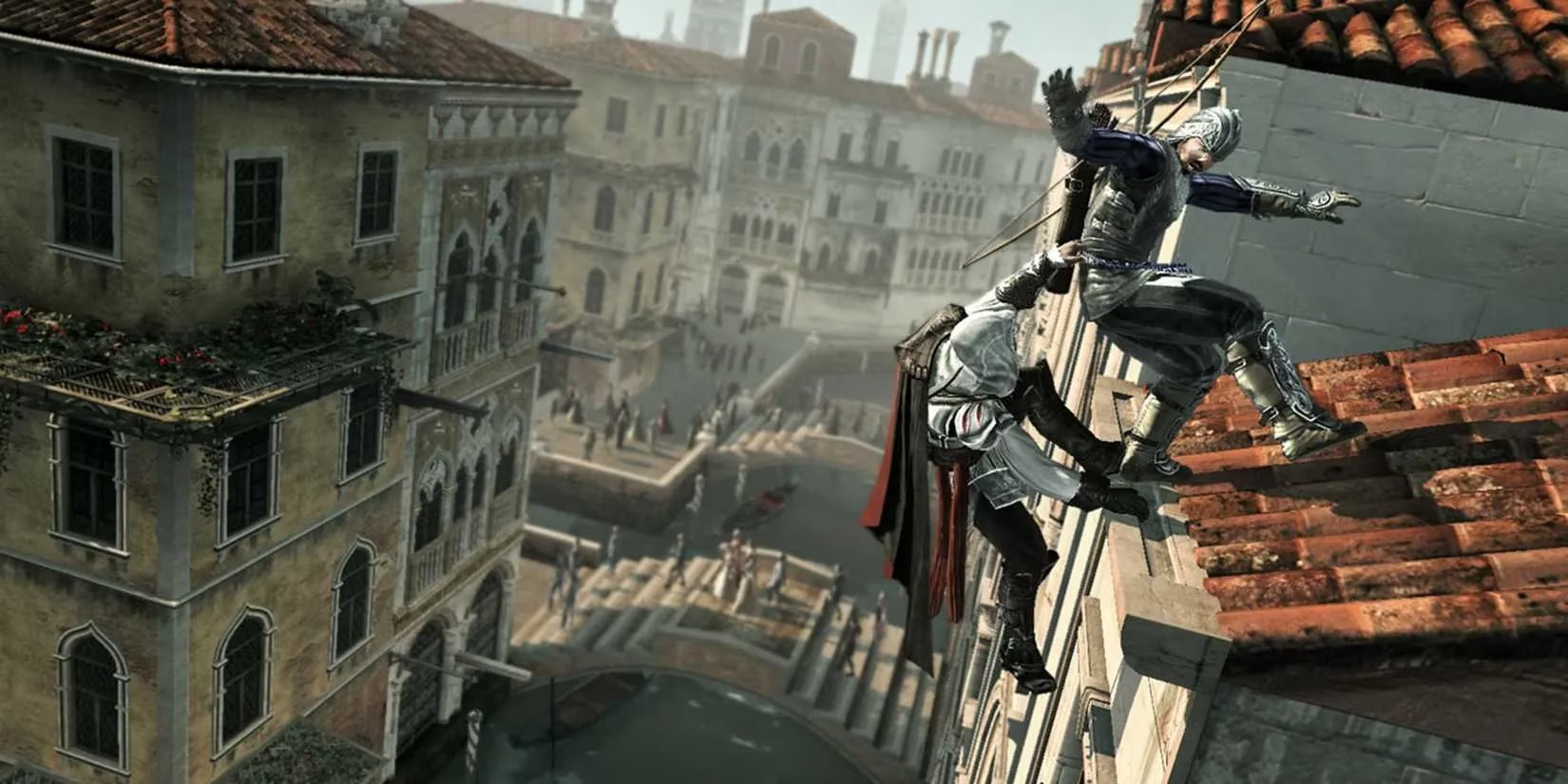
Ezio’s origin story revolutionized level design, setting up the birth of an assassin with mandatory stealth segments. Florence’s rooftops and canals allowed creative infiltration, yet time hasn’t been kind. Modern playthroughs reveal repetitive tasks and clunky controls, turning missions into chores. The ambition was laudable—pushing tech limits to emphasize shadows—but today’s standards highlight its padding and stiffness. Could it be remastered to recapture the magic? Perhaps, but in 2025, its legacy is more historical than functional. ⛪️🕰️
6. Assassin's Creed III: Frontier Hide-and-Seek
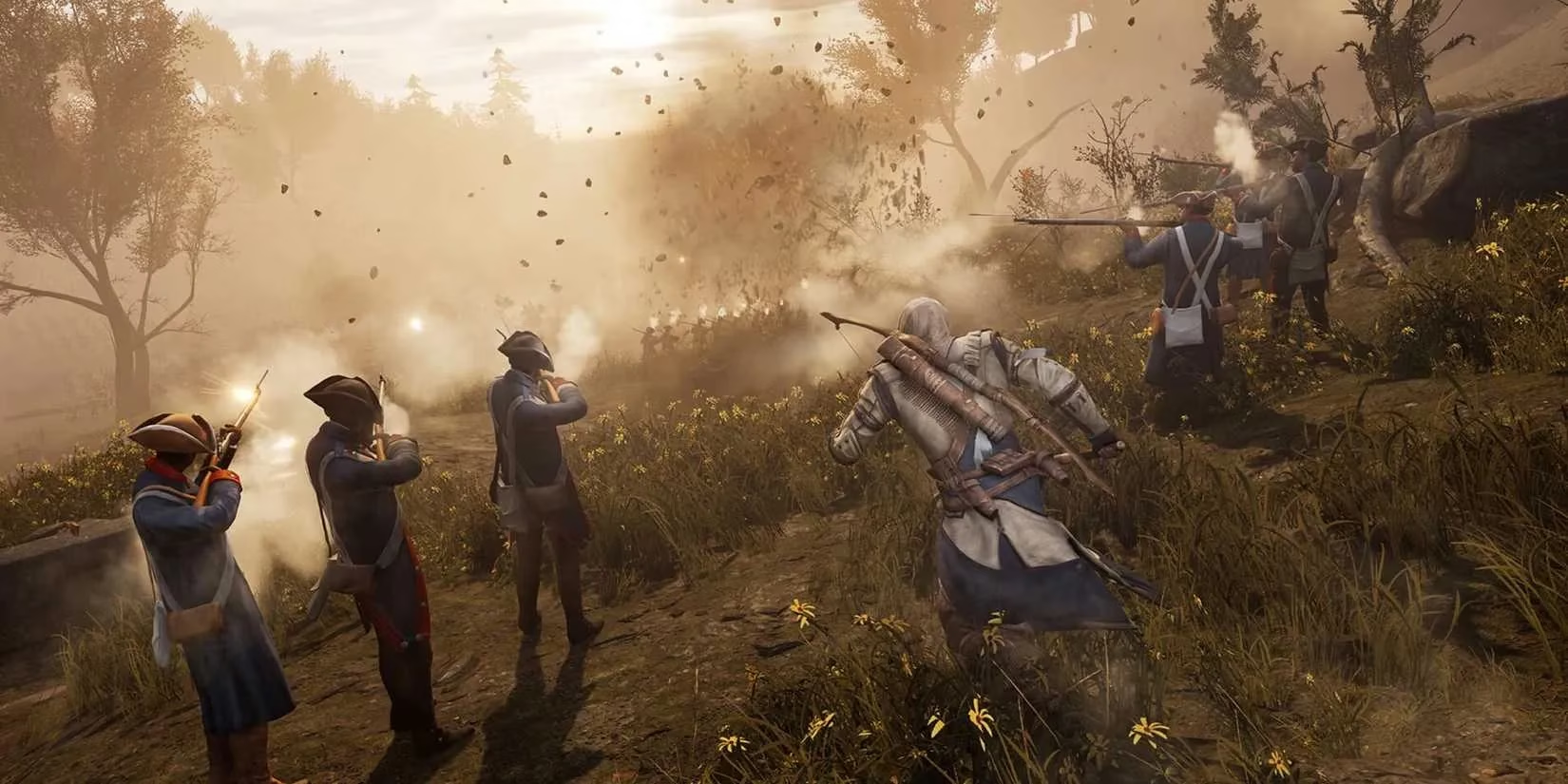
Connor’s tree-climbing and hiding in tall grass introduced wilderness stealth, letting players sneak up on targets like a true assassin. But innovation stopped there. Parkour felt fluid, yet urban missions lacked depth beyond basic bushes and rooftops. The frontier’s novelty couldn’t mask repetitive mechanics—was climbing a redwood as thrilling the 50th time? This entry hinted at evolution (e.g., naval stealth) but remained a prototype. It laid groundwork for Black Flag’s brilliance yet faltered in sustaining tension. 🌲🎯
5. Assassin's Creed Syndicate: Victorian Gadgets Over Grace
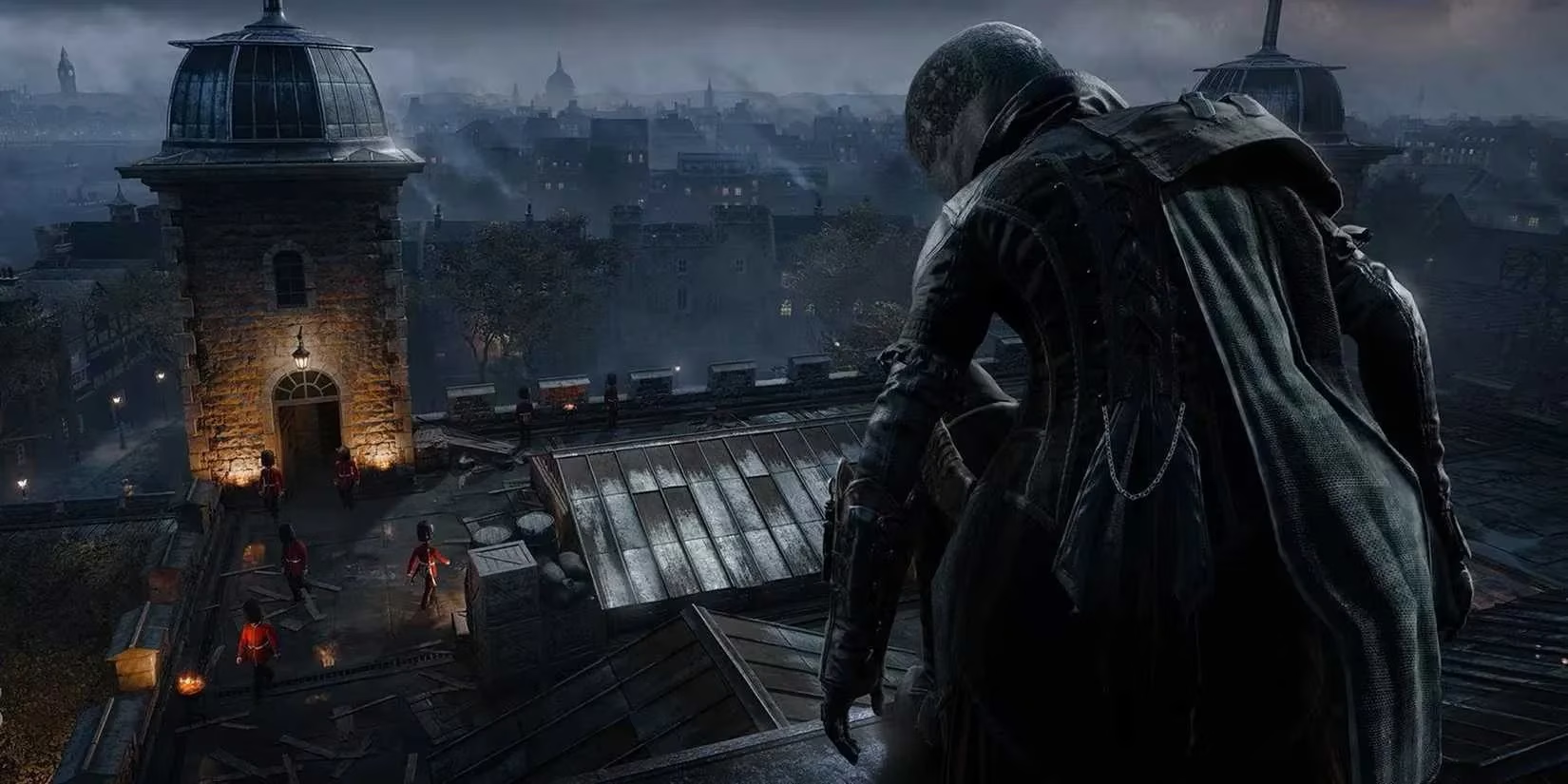
Syndicate’s rope launcher enabled dazzling parkour, and Evie’s Chameleon ability allowed invisibility while stationary—a genius addition. But tools like smoke bombs and cover systems felt superficial, not transformative. London’s grandeur prioritized gang brawls over subtlety, ditching Unity’s ambition for flashy action. Evie’s stealth-focused skill tree offered moments of brilliance, yet the game never committed. Could true invisibility have reshaped the series? Instead, it became a footnote in a brawl-heavy chapter. 🎩🔦
4. Assassin's Creed Shadows: The Shinobi Renaissance
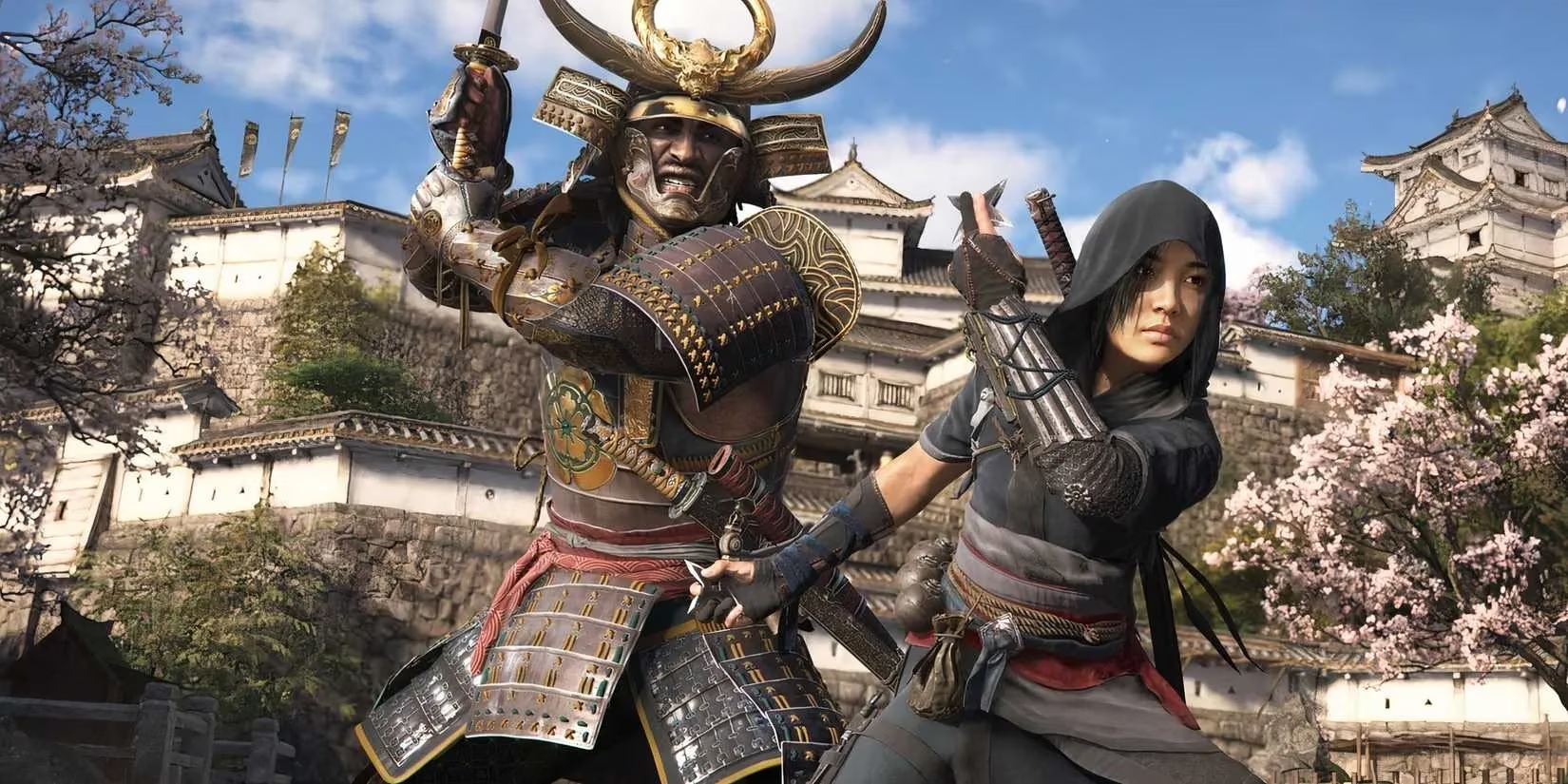
Shadows revitalized stealth with prone movement and light-based hiding, crafting a phantom-of-the-night experience as Naoe. Players could slither through gaps or vanish in darkness—mechanics finally matching the setting’s ninja ethos. Dual protagonists deepened choice: Naoe for stealth, Yasuke for carnage. But did this duality dilute focus? Some argued Naoe’s vulnerability captured the series’ soul, while Yasuke echoed Odyssey’s identity crisis. Still, Shadows proved stealth could thrive in modern AC—was it a one-off or a new standard? 🏯🌑
3. Assassin's Creed IV: Black Flag: Pirate Subtlety
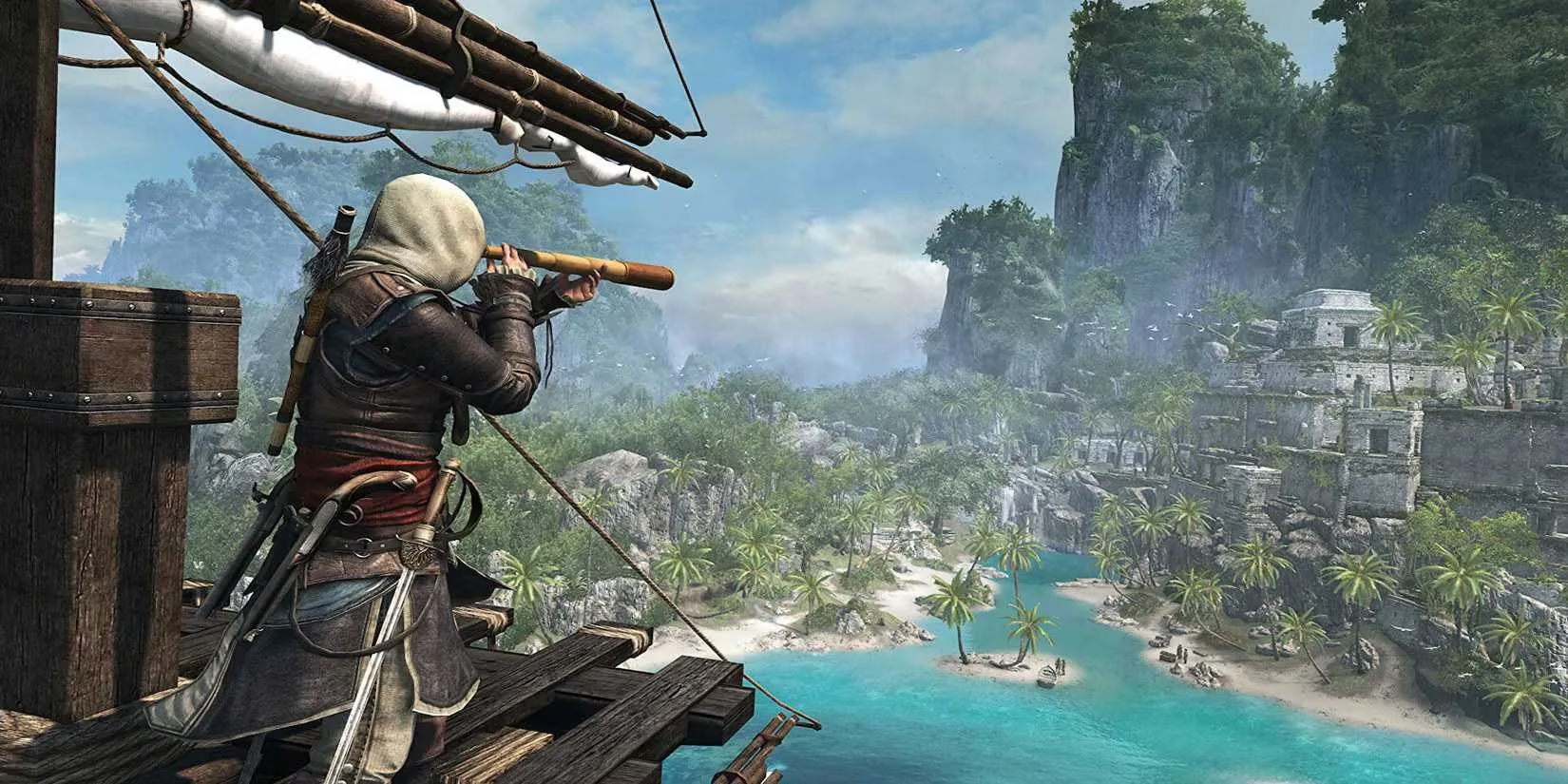
Black Flag’s Caribbean escapades, famed for naval chaos, delivered surprising stealth depth. Sabotaging alarms made missions significantly harder if ignored, incentivizing Edward’s silent takedowns in forts. Naval boarding could be stealthy; sugar plantations demanded patience. Why storm a garrison when you could strangle sentries undetected? This balance—pirate flamboyance with assassin discipline—showed stealth could coexist with action. Yet, did it reward subtlety enough? Many players ignored it for cannonfire... but the option felt like a love letter to purists. 🏴☠️🔇
2. Assassin's Creed Mirage: Back to Basics

Mirage was marketed as a return to stealth roots, ditching RPG bloat for Baghdad’s intimate, tool-focused infiltration. Basim’s fragility amplified tension—playing reminded you how vulnerable an assassin is in enemy strongholds. Vaults, smoke bombs, and crowd blending evoked early entries, yet polished. But was it too nostalgic? Critics questioned if stripping RPG elements stifled innovation. Still, Mirage rekindled the creed’s essence: shadows over swords. Does smaller-scale stealth have a future in an open-world era? 🕌✨
1. Assassin's Creed Unity: Stealth Perfected
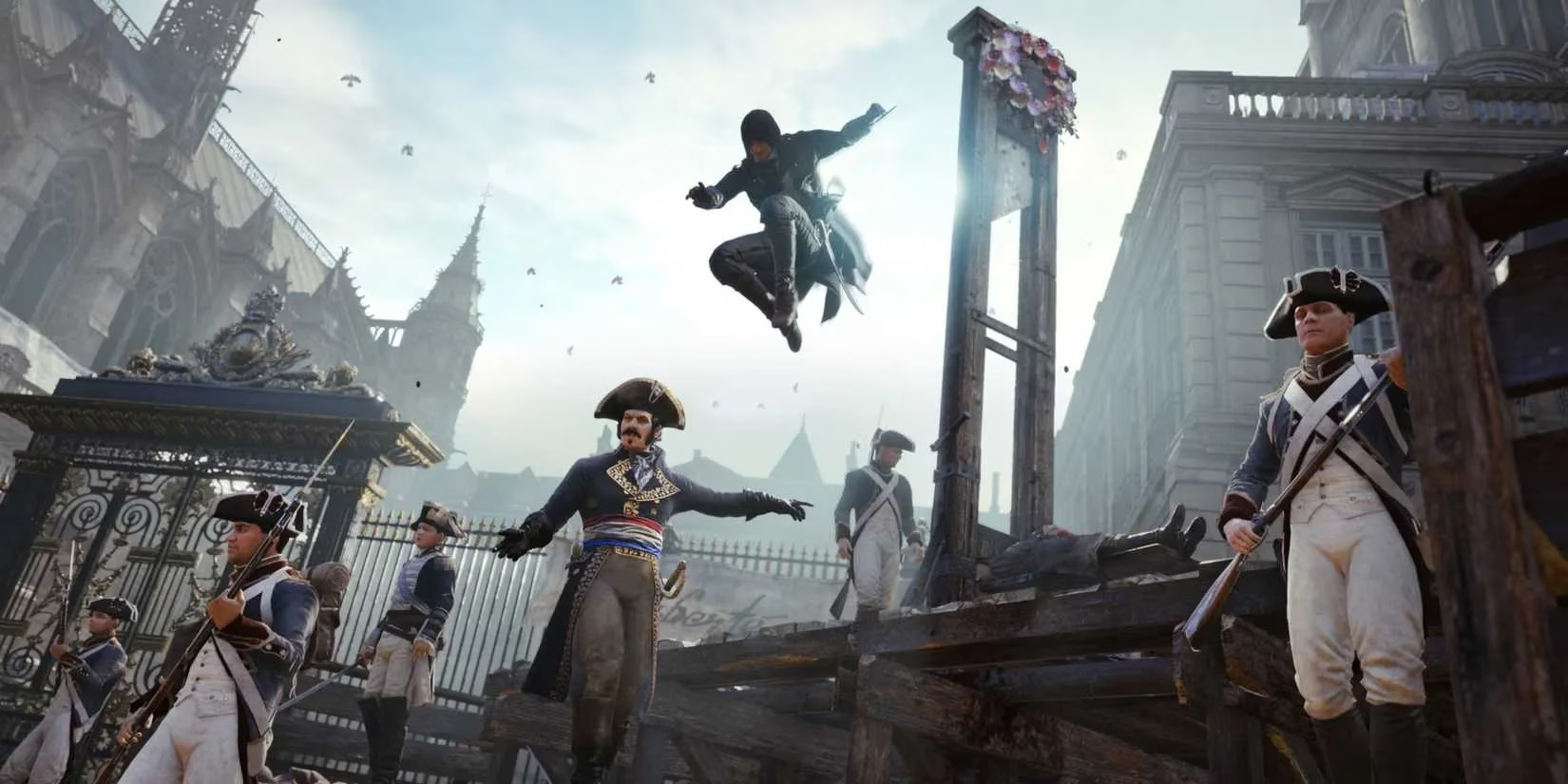
Unity remains the pinnacle—a new benchmark in stealth-action where Paris’s density enabled sheer freedom. Windows, crowds, and interiors became tactical tools; assassinations felt organic, not scripted. Players didn’t realize they were playing a game amid its sandbox immersion. Launch bugs tarnished its reputation, yet post-patch, it’s a cult classic. Arno’s reliance on gadgets and environment—not levels—epitomized the creed. But why hasn’t Ubisoft replicated this depth? Technical ambition scared them, perhaps... but in 2025, Unity’s ghost haunts every new release. 🗼🎭
The Lingering Question
As the Animus glitches into future eras, one dilemma persists: Can Assassin’s Creed reconcile its blockbuster scale with the intimate terror of being a single blade in the dark? Shadows and Mirage teased a return, but Unity’s unmatched design still casts a long shadow. Will players ever again feel that heart-pounding vulnerability—or will power fantasies and RPG stats forever dilute the art of the unseen kill? The creed’s soul hangs in the balance. ⚖️👤