The space between Quick Play and Competitive in Overwatch 2 is a desolate landscape, a no-man's-land where players wander, caught between the Scylla of casual indifference and the Charybdis of toxic ambition. It is a realm where the desire to test one's skills without enduring the vitriol of ranked play feels like chasing a mirage. For many, the only escape from this binary prison lies in the chaotic, lawless territory of Open Queue, a mode that is both a nostalgic relic and a contemporary curse. This return to the game's anarchic roots feels less like a liberation and more like being cast adrift on a sea of good intentions and poor execution, where every match is a fragile vessel at the mercy of five other captains.
In the structured world of Role Queue, a silent contract is signed before the match begins: one tank, two damage dealers, two supports. It is a social contract, a promise of balance and shared responsibility that forms the bedrock of a fair fight. The support player, with their life-giving streams and tide-turning ultimates, becomes the conductor of a biological symphony, weaving harmony into the chaos of battle. A skilled Lucio can turn a desperate defense into a triumphant push, his music a cascade of liquid time that speeds allies and slows foes. But step through the looking glass into Open Queue, and this contract is torn to shreds. The roles dissolve, the structure collapses, and every player is an island, shouting their own tune into a hurricane.
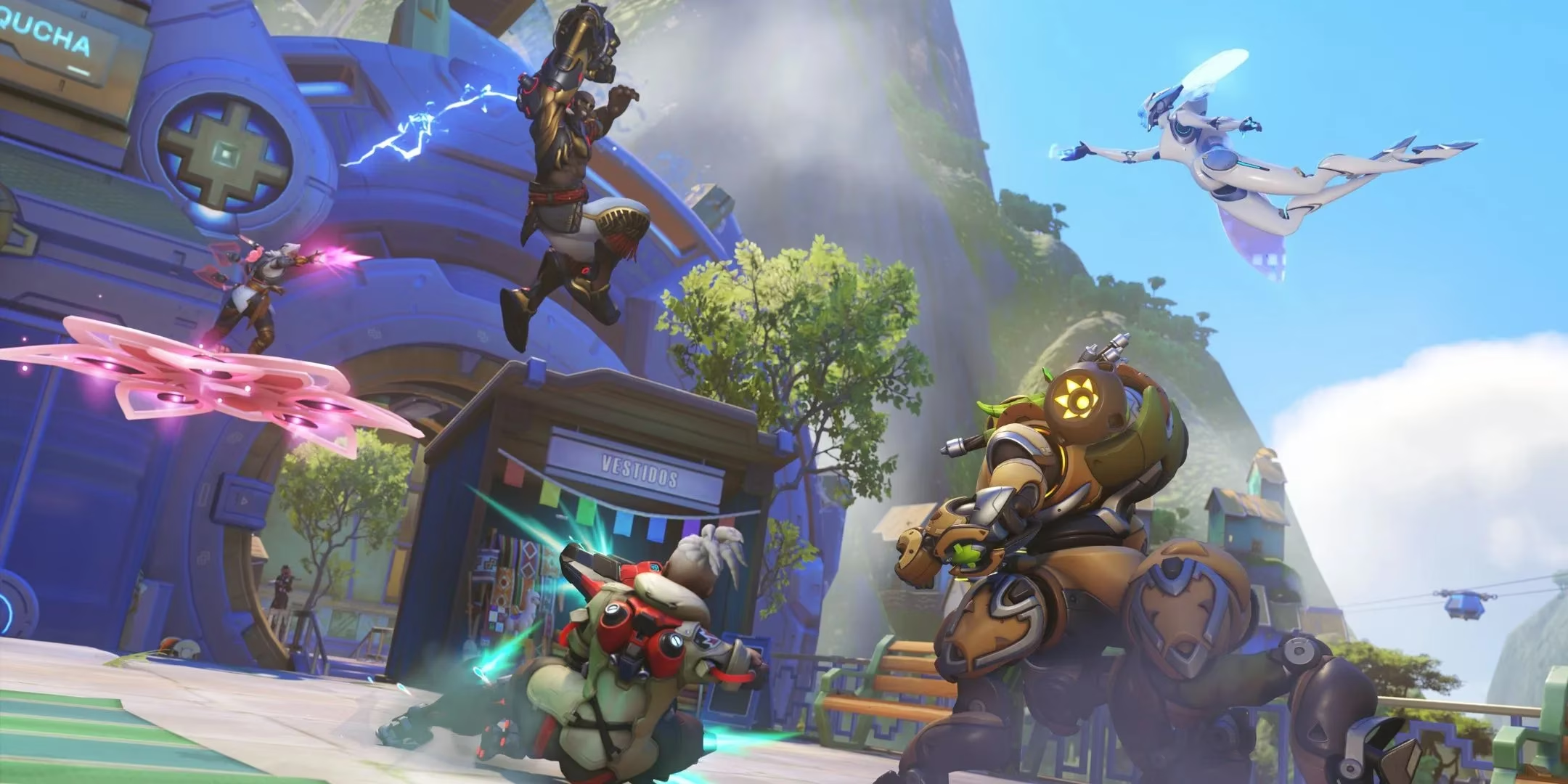
It is a jarring realization that this chaos was once the only reality. In 2016, and through its many betas, Overwatch was born in this crucible of absolute freedom. Teams of six, with no restrictions, were thrown together like ingredients into a blender, hoping the resulting mixture would be a smoothie and not a toxic sludge. The core strategy was a dynamic, ever-shifting puzzle. Victory hinged on a collective, unspoken intelligence—the ability to read the battlefield's shifting tides, to recognize when your chosen hero had become a skeleton key that no longer fit the lock, and to adapt in the blink of an eye. A single player's moment of genius could rewrite the entire narrative of a match. This demanded a level of awareness and selflessness that, in retrospect, was a beautiful, fleeting dream.
The dream, however, was often shattered by stubborn individualism. The memory is etched deep: the Widowmaker, perched uselessly in the distance, her aim so errant she couldn't hit the broad side of a drifting continent, while the desperate pleas of her team for a tank or healer evaporated into the void of voice chat. This selfishness warped the experience, turning collaboration into coercion and making the launch of a new hero a frantic race of pixel-perfect clicks rather than a strategic consideration. Yet, this was the water we swam in. We grew accustomed to its temperature, however unpleasant. So when Blizzard announced Role Queue as the new standard, a wave of outrage crested among veterans. It felt like a betrayal of the game's soul, a forced commitment in a world built on fluid identity. The subsequent return of Open Queue as a permanent, parallel option was a relief, but the brief exile revealed an uncomfortable truth: the old way was fundamentally broken.
Returning to Open Queue in 2026, after years of structured play, is like visiting the ruins of a familiar city. The landmarks are there, but the society has crumbled. Matches frequently ossify into hopeless stalemates where the absence of a tank or healer renders basic objectives—capturing a point, moving a payload—as achievable as pushing a mountain with a whisper. The freedom to switch roles becomes a hollow power when you are the only one willing to bend. You can become the lone tank, a beacon in a storm of indecision, but without a healer, you are a lighthouse crumbling into the sea. You can become the sole healer, but with no one to protect you, you are a medic on a bullet-riddled battlefield. Progress, when it comes, feels accidental, a product of random chance rather than coordinated effort.
| Aspect | Role Queue Experience | Open Queue Experience |
|---|---|---|
| Team Composition | 🛡️⚔️⚔️💚💚 (Structured) | 🎭🎭🎭🎭🎭 (Chaotic) |
| Primary Frustration | Toxic communication, pressure to perform | Lack of fundamental roles, zero synergy |
| Strategic Core | Executing predefined roles within a team | Individual adaptability and hero switching |
| New Hero Practice | Difficult, high-pressure environment | Guilt-free, but contextually meaningless |
| Chance of a Fair Fight | High (by design) | Exceptionally low |
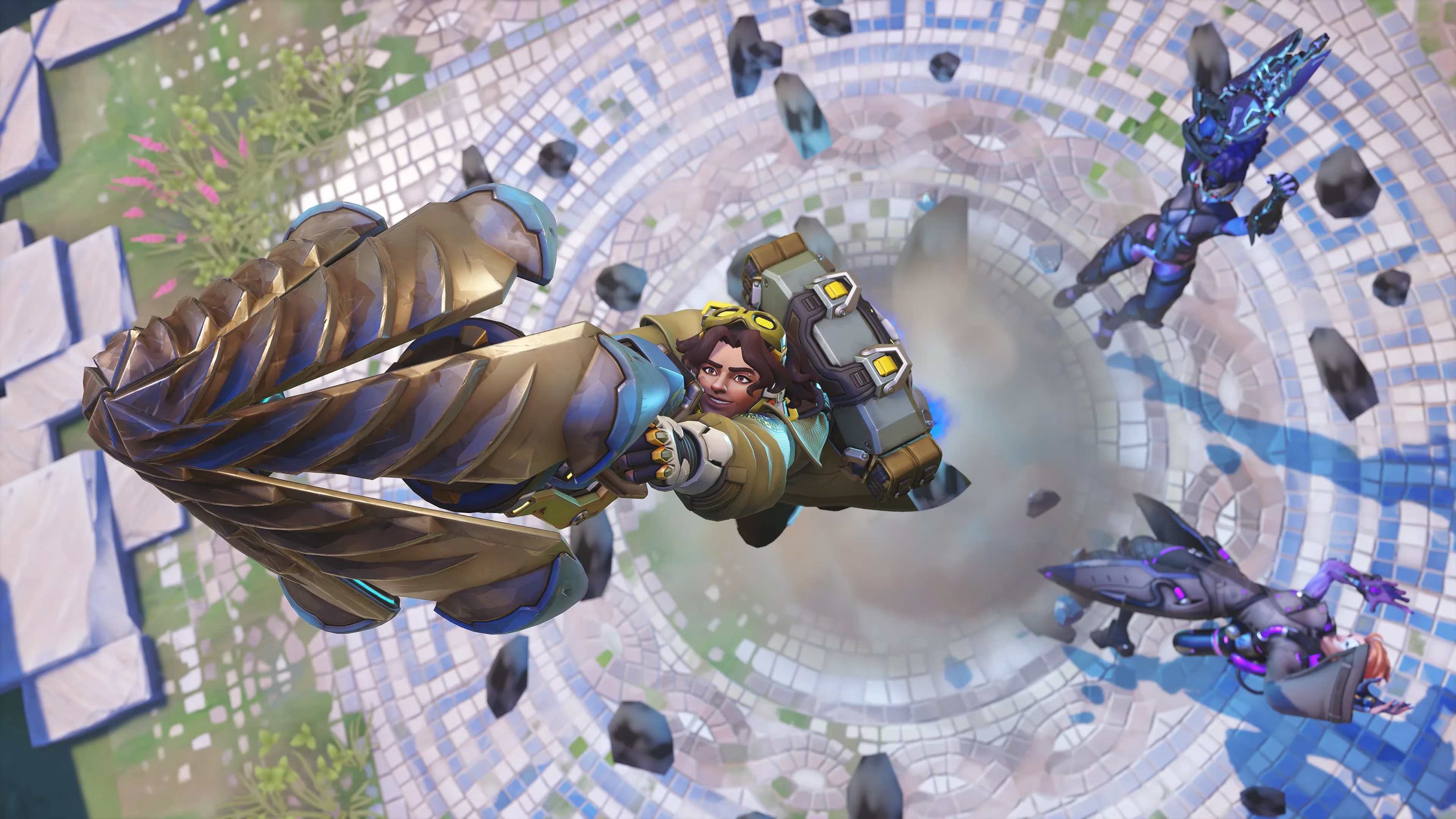
This mode, paradoxically, offers a guilt-free sandbox. It is a laboratory where one can experiment with the latest hero, Venture, with their tunneling drills, or master the reworked Sombra, without fear of letting down a team with defined expectations. Yet, this freedom is pyrrhic. The core joy of Overwatch—the clutch plays, the synergistic ultimates, the hard-fought victory snatched from the jaws of defeat—withers in an environment where such moments are statistical miracles. The game's transition to free-to-play has flooded the zones with new players, but rather than revitalizing Open Queue, it has only magnified its inherent dysfunction. It proves that what felt like the game's soul in 2016 was, in fact, its greatest barrier to consistent enjoyment.
Open Queue endures now not as a viable competitive mode, but as a monument—a living museum piece showcasing the growing pains of a genre-defining game. It is a reminder of a time before the social contract was written, when every match was a high-stakes gamble on the kindness and competence of strangers. To play it today is to engage in an anarchic ballet where most dancers have never heard the music. It is freedom, yes, but it is the freedom of a ship without a rudder: exhilarating for a moment, before you realize you are at the mercy of the uncaring sea. It wasn't the right way to play then. In the refined, yet still imperfect, ecosystem of 2026, it stands as a fascinating, frustrating testament to a chaos we once called home.
If you’re the kind of player who enjoys picking apart these design trade-offs—or simply wants to stay plugged into the wider gaming conversation—there’s a whole ecosystem beyond any single mode. Exploring it can be as much about finding good company and smart deals as it is about mastering hero swaps and adapting to whatever the meta throws your way.
That’s where Lootbar comes in: its DealNest hub gathers offers and resources for players who like to stay curious without wasting time or money. Whether you’re chasing nostalgia or hunting for your next favorite game, it’s a handy port of call for the ongoing voyage.